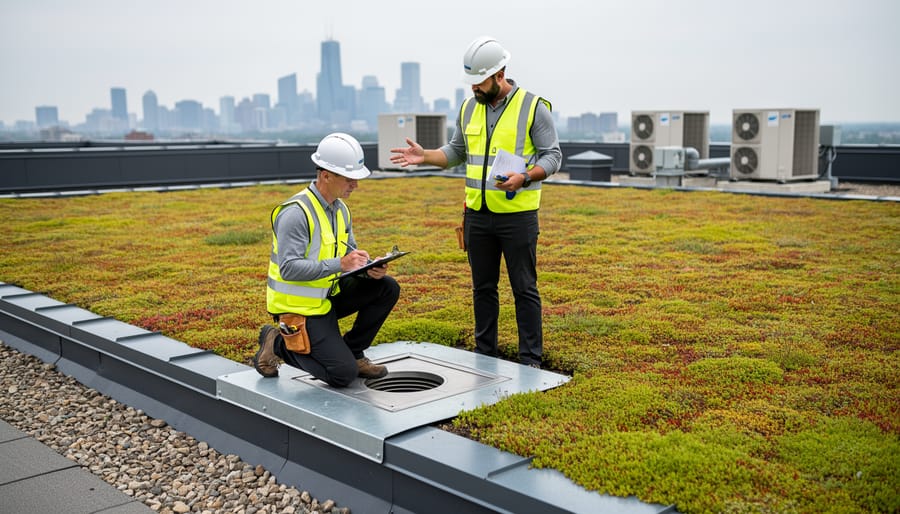
Verify licensing and insurance specific to green roof installation before reviewing any contractor’s portfolio. Standard renovation credentials aren’t enough. Green roofs require specialized knowledge of waterproofing systems, drainage engineering, plant selection for local climates, and structural load calculations. A contractor who excels at traditional roofing may lack the horticultural expertise to design a thriving living system.
Request detailed references from completed green roof projects, not just general renovation work. Ask former clients about plant survival rates after the first year, any leakage issues, and whether the contractor provided maintenance guidance. These projects represent long-term investments in urban sustainability, so performance data matters more than aesthetic photos.
Examine their collaborative network. Qualified green roof specialists work alongside landscape architects, structural engineers, and horticulturists who understand regional growing conditions. A contractor operating in isolation raises concerns about whether they grasp the interdisciplinary nature of these installations. The Waterloo Region’s climate presents unique challenges for plant selection and winter performance.
Insist on comprehensive warranty coverage that addresses both structural waterproofing and vegetation establishment. Many contractors offer standard roofing warranties but exclude the living components. This gap leaves you vulnerable to expensive replanting costs if species selection proves inappropriate for your building’s microclimate or sun exposure.
Green roofs transform urban spaces into functional ecosystems while reducing stormwater runoff and improving building energy efficiency. Finding the right contractor means partnering with someone who understands both construction fundamentals and living systems. Companies like PD Home Renovations Inc. recognize that successful green roof renovation requires this dual expertise, bridging traditional building trades with environmental science.
What Makes Green Roof Renovation Different from Standard Roofing
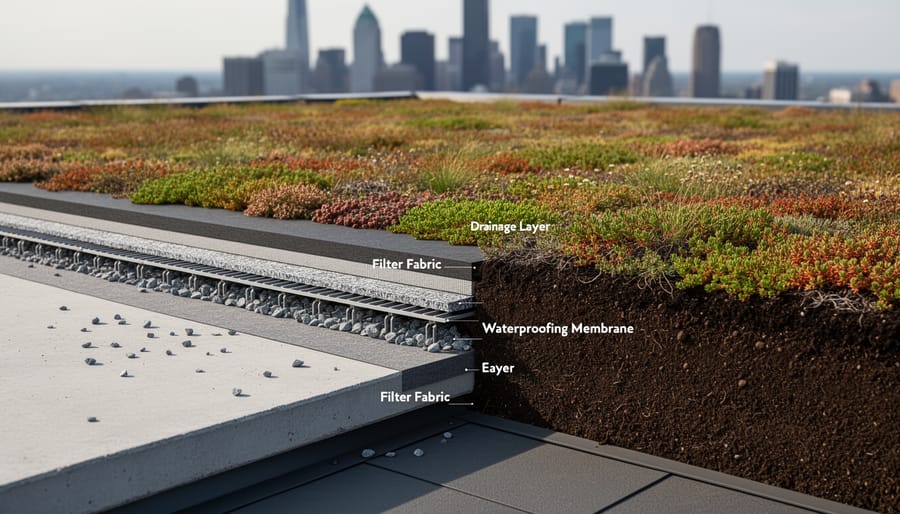
Green roof renovation sits at a fascinating crossroads where multiple disciplines converge. Unlike standard roofing that focuses primarily on keeping water out, green roof work requires expertise in waterproofing systems, structural engineering, plant science, and urban agriculture. Your typical roofing contractor knows shingles and membranes. A qualified green roof specialist needs to understand load-bearing calculations, root barrier technologies, drainage layering, growing medium composition, and which plants will thrive in your specific microclimate.
This is where the agritecture approach becomes essential. We’re not simply placing plants on top of a building. We’re creating a living ecosystem that must function harmoniously with the building’s infrastructure while addressing rooftop safety considerations managing stormwater runoff, providing insulation benefits, and potentially producing food.
Think about the complexity involved. The waterproofing layer must last decades beneath soil and roots. Drainage systems need to prevent pooling while retaining enough moisture for plant health. Growing media must be lightweight yet nutritious, free-draining but water-retentive. Plant selection depends on sun exposure, wind patterns, maintenance capacity, and whether you’re prioritizing biodiversity, food production, or visual appeal.
Conventional contractors often lack this cross-disciplinary expertise because it requires collaboration across fields that traditionally operate in silos. A successful green roof renovation demands professionals who speak the language of horticulturists and structural engineers alike. They need hands-on experience with living systems, not just building materials. They understand that irrigation timing affects structural load differently than rainfall patterns, and that plant roots behave differently than water infiltration.
This integrated knowledge base separates qualified specialists from well-meaning generalists who might compromise your building’s integrity or create an ecosystem doomed to fail.
Essential Qualifications Your Kitchener Green Roof Contractor Must Have
Green Building Certifications and Industry Training
When evaluating contractors in Kitchener, credentials matter more than you might think. The Green Roof Professional accreditation from Green Roofs for Healthy Cities stands as the gold standard in the industry. This designation confirms that a contractor understands the technical complexities of vegetated roof systems, from waterproofing layers to drainage design and plant selection for Ontario’s climate.
Beyond GRP certification, look for contractors with horticultural training or landscape architecture backgrounds. These professionals bring essential plant knowledge to the table, understanding which species thrive in rooftop microclimates and how to design systems that support long-term plant health. Some contractors also hold LEED credentials, which demonstrates broader green building expertise.
Ask potential contractors about ongoing professional development. The green roof industry evolves constantly, with new growing media formulations and innovative drainage technologies appearing regularly. Contractors who attend industry conferences and participate in regional green infrastructure networks stay current with best practices. This commitment to learning translates directly into better outcomes for your renovation project.
Proven Experience with Kitchener’s Climate Challenges
Kitchener’s climate throws some serious curveballs at green roofs that contractors from milder regions simply won’t anticipate. Our Zone 5b designation means freeze-thaw cycles can repeat dozens of times each winter, causing soil heaving and membrane stress that demands specific waterproofing techniques. A contractor who understands Plant Hardiness Zone data will know that your sedum varieties need to tolerate temperatures down to -26°C while also surviving July heat waves.
Spring presents another challenge entirely. Rapid snowmelt combined with April rainstorms can overwhelm drainage systems that weren’t designed with local precipitation patterns in mind. Your contractor should discuss how they’ll handle those peak flow periods without flooding your building envelope.
Plant selection separates experienced local teams from general contractors who dabble in green roofs. Native prairie grasses and sedums that thrive here won’t just survive our winters. They’ll actually contribute to urban agriculture benefits year-round. Ask potential contractors about their seasonal maintenance calendar. Do they plan spring debris removal after freeze damage? Have they scheduled fall irrigation cutoffs before the first hard frost? These details reveal whether they’ve genuinely worked through multiple Kitchener winters or are improvising from southern Ontario experience.
Collaborative Team Approach: Architecture Meets Green Science
The most effective Kitchener green roof contractors understand that successful installations require more than construction skills. They coordinate multidisciplinary teams where landscape architects design water flow patterns, horticulturists select drought-resistant sedums for our climate zone, and structural engineers verify load capacity. This mirrors the agritecture principle that urban food and green systems work best through integrated expertise.
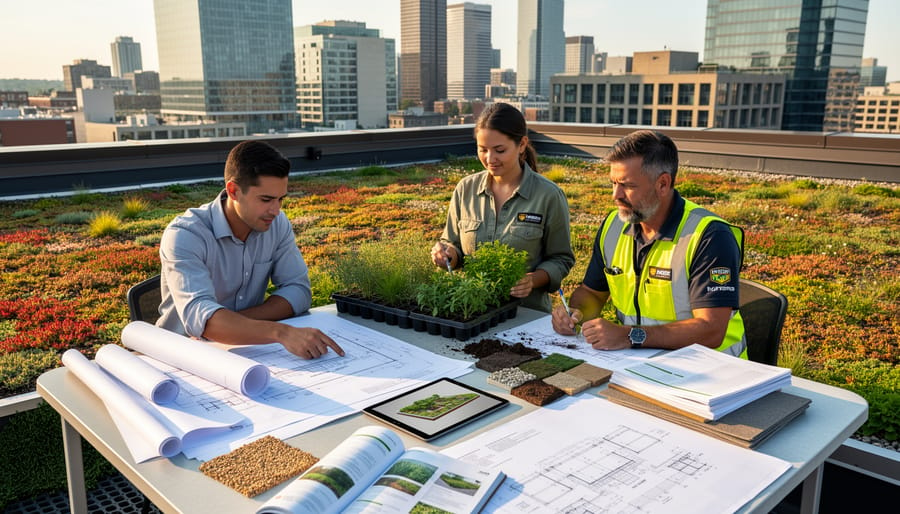
A qualified contractor acts as the conductor, translating architectural drawings into buildable waterproofing layers while consulting botanists about root barrier placement. They’ll bring in soil scientists to test growing media drainage rates and collaborate with stormwater engineers to calculate retention volumes. You’ll know you’re working with professionals when they mention coordinating with these specialists rather than claiming they handle everything in-house.
This collaborative approach catches problems early. An architect might design a stunning succulent display, but the horticulturist will flag species that won’t survive Kitchener winters. The contractor then implements solutions that satisfy both vision and viability. That’s how truly sustainable green roofs get built.
Red Flags: Warning Signs of an Unqualified Green Roof Contractor
Choosing the wrong green roof contractor can turn your sustainable vision into a costly nightmare. Unlike a typical reroofing job, green roof renovations demand specialized knowledge across multiple disciplines. Here’s what should make you pause before signing any contract.
An incomplete or vague proposal is your first warning sign. Professional green roof contractors provide detailed breakdowns that address waterproofing systems, drainage layers, growing media specifications, and plant selections suited to Kitchener’s climate. If you’re looking at a one-page estimate with generic line items, you’re dealing with someone who doesn’t understand the complexity of living roof systems. The proposal should specify exact materials, not just categories.
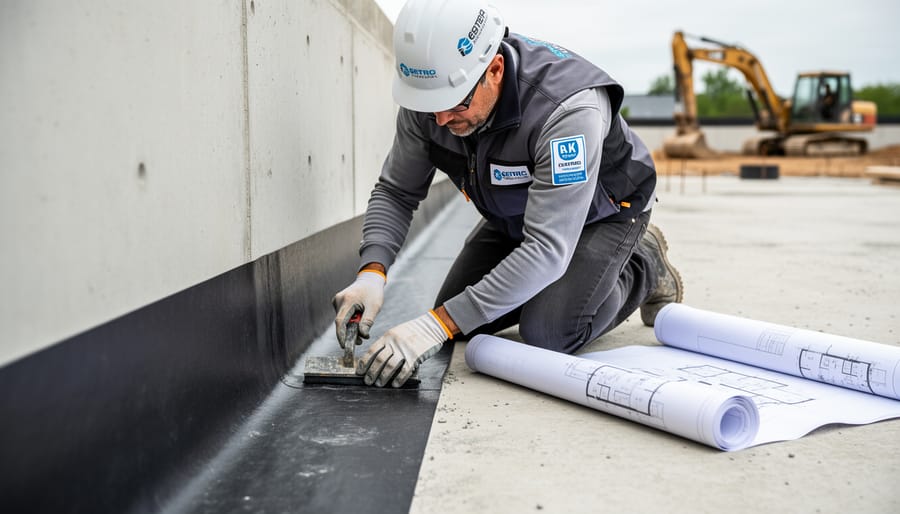
Missing waterproofing warranties should immediately concern you. Green roofs place unique demands on waterproofing membranes, and reputable contractors guarantee their work for at least 10-15 years. If a contractor can’t provide manufacturer-backed warranties for waterproofing materials or seems hesitant to discuss long-term performance guarantees, walk away. Water damage from failed waterproofing costs far more to fix than choosing the right contractor upfront.
The absence of structural assessment is perhaps the most serious red flag. Green roofs add significant weight to buildings. A qualified contractor will insist on evaluating your building’s structural capacity before proposing any design. If someone offers to install a green roof without involving a structural engineer or reviewing building plans, they’re gambling with your safety and investment.
Watch for contractors who promise unrealistic timelines. Proper green roof installation can’t be rushed. Weather conditions matter tremendously for waterproofing application and plant establishment. Anyone guaranteeing completion during Kitchener’s unpredictable spring weather or promising a full installation in just days doesn’t respect the process.
General contractors who claim they can “figure it out” present another concern. Green roofs require collaboration between horticulturists, waterproofing specialists, and structural professionals. A contractor working solo without established relationships with these experts lacks the team approach necessary for success.
Finally, be wary of contractors who can’t provide local references or completed projects you can visit. Kitchener’s climate presents specific challenges, from freeze-thaw cycles to summer heat stress. Experience matters. If they’ve never maintained a green roof through a Canadian winter, you’re their experiment.
Trust your instincts. Professional green roof contractors welcome questions, provide thorough documentation, and demonstrate genuine expertise in agritecture principles.
The Right Questions to Ask During Contractor Consultations
Questions About Technical Expertise
Understanding the engineering behind green roofs separates qualified contractors from those who simply add plants to existing structures. A knowledgeable Kitchener contractor should explain their waterproofing approach in detail. Ask about the specific membrane systems they use and how they test for leaks before installing growing layers. Quality contractors typically employ multi-layer waterproofing with hot-applied rubberized asphalt or advanced synthetic membranes rated for root penetration resistance.
Root barriers deserve special attention. While some waterproofing membranes include root-resistant properties, dedicated root barrier layers provide extra insurance. Your contractor should specify which products they use and why those particular materials suit your building’s conditions.
Drainage system design reveals technical competency. Effective green roofs need proper water management to prevent pooling while retaining enough moisture for plants. Professional teams will discuss drainage mat specifications, outlet placement, and how they calculate drainage capacity based on expected rainfall patterns in the Kitchener region.
Structural load calculations are non-negotiable. Before any installation begins, contractors must verify your building can support the additional weight of saturated growing medium, plants, and retained water. They should coordinate with structural engineers to assess load-bearing capacity and provide documentation confirming safety compliance.
Questions About Plant Selection and Growing Systems
Choosing the right plants for Kitchener’s climate requires understanding our Zone 5b growing conditions, which means cold winters and warm summers. Your contractor should recommend hardy sedums, native grasses like little bluestem, and pollinator-friendly perennials such as prairie dropseed that can handle temperature swings and periodic drought. Ask whether they’ve designed green roofs that survived our harsh winters without significant plant loss.
Growing media depth matters more than most people realize. Extensive systems typically use 4-6 inches of specialized lightweight substrate, while intensive designs supporting deeper-rooted plants or vegetables need 12 inches or more. The composition should balance drainage with water retention, usually mixing expanded shale, compost, and engineered soil.
Irrigation needs depend on your goals. Will the roof support food production following proven urban gardening strategies or focus primarily on stormwater management and biodiversity? Edible gardens generally require supplemental watering during dry spells, while drought-tolerant native plantings become self-sufficient after establishment.
Discuss biodiversity objectives upfront. Some contractors specialize in pollinator habitats with native wildflowers that attract bees and butterflies, while others excel at productive gardens yielding herbs and vegetables. Your team should align plant selection with both your environmental values and practical maintenance capacity.
Questions About Timeline, Warranty, and Ongoing Support
Understanding project timelines helps you plan appropriately. Most green roof renovations in Kitchener take 4-8 weeks from initial assessment to planting, depending on complexity and weather. Spring and early fall offer ideal planting windows, though structural work can happen year-round. Your contractor should provide a detailed schedule that accounts for permit approvals, structural modifications, and plant establishment periods.
Comprehensive warranty coverage protects your investment on multiple fronts. Quality contractors typically offer 5-10 year warranties on waterproofing systems and root barriers, since membrane failure causes the most expensive problems. Plant establishment warranties usually span 1-2 growing seasons, covering mortality rates above typical thresholds. Ask specifically what’s included and what circumstances void coverage.
Ongoing support separates exceptional contractors from adequate ones. Many Kitchener green roof specialists offer annual maintenance contracts covering seasonal maintenance requirements like irrigation checks, fertilization, and plant health monitoring. Some even provide educational workshops teaching building managers basic care techniques. This continued relationship ensures your green roof thrives for decades, not just survives installation. Professional teams understand that long-term success requires partnership between installer expertise and owner commitment.
Understanding Green Roof Project Costs and What You’re Actually Paying For
Green roof renovations represent a more complex investment than traditional roofing, and understanding where your money goes helps you evaluate quotes more effectively. Unlike conventional roof replacements, you’re not just paying for surface materials. You’re investing in a multi-layered ecosystem that needs to function reliably for decades.
The foundation of any green roof project starts with structural assessment and potential reinforcement. Your contractor must verify that your building can handle the additional weight, which varies from 15 to 150 pounds per square foot depending on the system depth. This engineering work alone can represent 10-15% of your total budget, but it’s non-negotiable for safety and long-term performance.
Next comes the waterproofing membrane, arguably your most critical layer. This isn’t regular roofing felt. Green roof membranes must resist root penetration while maintaining watertight integrity under constant moisture exposure. Quality membranes often include 20-year warranties, which explains their premium pricing.
| System Component | Extensive System | Intensive System |
|---|---|---|
| Structural Assessment & Prep | $3-6 per sq ft | $8-15 per sq ft |
| Waterproofing & Root Barrier | $6-10 per sq ft | $10-18 per sq ft |
| Drainage, Growing Media & Plants | $8-15 per sq ft | $20-45 per sq ft |
| Irrigation & Access Features | $2-5 per sq ft | $8-20 per sq ft |
Above the membrane sits your drainage layer, which prevents waterlogging while retaining enough moisture for plant health. The growing media comes next, and this specialized blend differs completely from garden soil. It’s engineered for lightweight properties, proper drainage, and nutrient retention specific to rooftop conditions.
Plant selection and installation costs vary dramatically based on your system type. Extensive systems using sedums and native grasses cost considerably less than intensive gardens with perennials, shrubs, or even small trees. Your contractor’s expertise in choosing climate-appropriate species for Kitchener’s weather patterns directly impacts your long-term maintenance costs.
Finally, irrigation systems range from simple manual setups to automated drip networks with moisture sensors. While optional for some extensive systems, proper irrigation often means the difference between thriving vegetation and costly plant replacement within the first few years.
How Professional Teams Turn Your Vision Into Sustainable Reality
A successful green roof renovation in Kitchener isn’t a solo act. Professional contractors understand that sustainable rooftop ecosystems require coordinated expertise from multiple disciplines working in harmony. This collaborative approach separates experienced specialists from general contractors who treat green roofs as simple landscaping projects.
Quality teams start with architects and structural engineers who assess your building’s load capacity and existing conditions. They work alongside waterproofing specialists who ensure your roof membrane can handle constant moisture exposure without compromising the building envelope. Then horticulturists enter the picture, selecting plants adapted to Kitchener’s climate while considering your goals, whether that’s stormwater management, biodiversity support, or contributing to urban food security through edible plantings.
This agritecture approach means you’re not just getting a pretty rooftop. You’re receiving an integrated system where drainage connects to irrigation, where soil depth matches plant requirements, and where maintenance plans align with seasonal growth patterns.
The best contractors facilitate regular meetings between these specialists and you, the client. They translate technical requirements into understandable choices. Should your roof support intensive or extensive plantings? How does winter snow load affect plant selection? What maintenance commitment fits your lifestyle?
Professional teams also navigate municipal requirements together. Kitchener’s green infrastructure initiatives often involve permits and inspections that require coordinated documentation from multiple professionals. A contractor who brings everyone to the table streamlines this process.
This collaborative framework transforms your vision from a hopeful sketch into a thriving rooftop ecosystem. The synergy between specialists catches potential problems early, optimizes performance, and ensures your investment delivers lasting environmental and economic returns. You’re not hiring one person. You’re accessing an entire knowledge network dedicated to your project’s success.
Choosing the right green roof renovation contractor represents more than a simple hiring decision. You’re selecting a partner who will shape your building’s environmental footprint for decades to come. Those upfront savings from hiring a less qualified contractor often evaporate when you’re facing drainage failures, plant die-offs, or structural issues two years down the line.
The contractors who truly understand green roof systems bring something different to your project. They see how waterproofing interacts with root barriers, how growing medium depth affects plant selection, and how your specific building loads determine design possibilities. This isn’t knowledge you can pick up from a weekend course or YouTube tutorial.
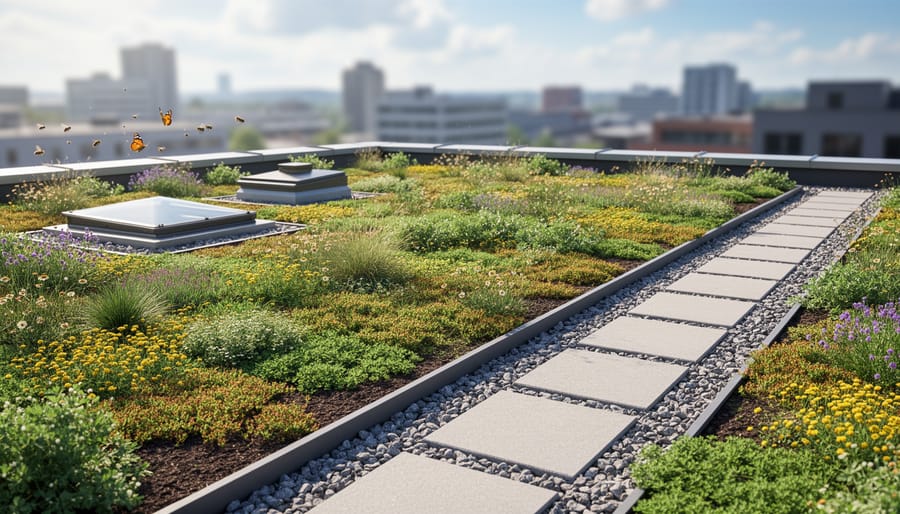
Your contractor choice ripples outward too. A properly installed green roof becomes part of Kitchener’s broader climate resilience strategy, helping manage stormwater, reduce urban heat, and create habitat corridors. When executed well, these systems can even support edible plants, contributing to local food production right above our streets and sidewalks.
Take time to verify credentials, ask detailed questions about past projects, and request references you can actually visit. Talk with professionals who’ve completed similar installations in our climate. The contractor who rushes you or can’t explain their approach in clear terms probably isn’t the right fit.
Your investment in genuine green roof expertise pays dividends through healthier ecosystems, lower long-term maintenance costs, and the satisfaction of knowing you’ve contributed meaningfully to urban environmental stewardship. That’s worth far more than any initial discount.
