
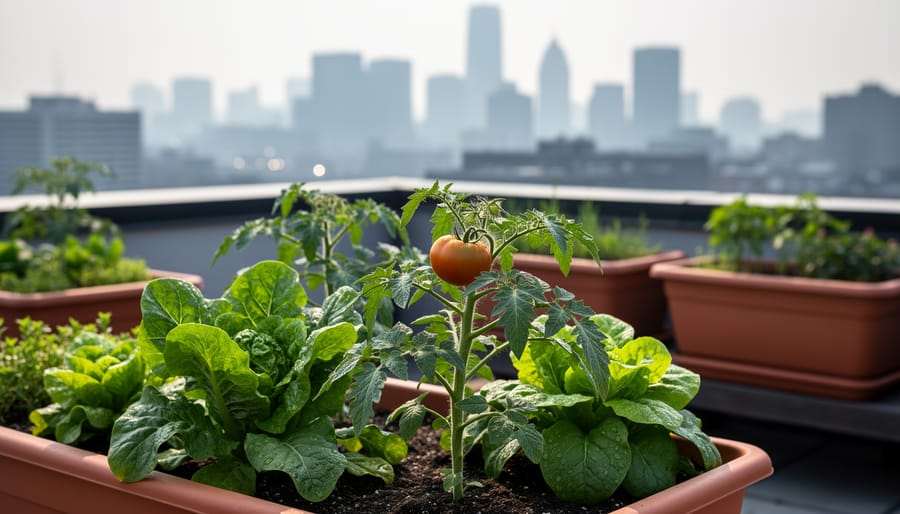
Urban air pollutants are airborne contaminants like nitrogen dioxide, particulate matter, ozone, and sulfur dioxide that accumulate in city environments and damage plant health by blocking light, interfering with photosynthesis, and causing tissue injury. For anyone growing food on rooftops, balconies, or community plots in 2026, these invisible threats can mean the difference between a thriving garden and stunted crops struggling to survive.
Cities concentrate pollution from vehicle exhaust, industrial emissions, and construction activity into the very spaces where urban agriculture solutions are gaining momentum. Your tomatoes absorb the same air quality data that triggers health advisories. Your leafy greens filter pollutants through their stomata while trying to produce the oxygen and nutrients you’re counting on. Understanding which pollutants pose the greatest risk, how they attack plant cells, and what protective measures actually work isn’t academic curiosity. It’s practical knowledge that determines whether your urban growing project succeeds or wastes time, soil, and money.
This article breaks down the science of urban air pollution into terms that matter for growers. You’ll learn which contaminants cause the brown-edged leaves you’ve been puzzling over, why some plants handle city stress better than others, and how strategic placement, species selection, and simple barriers can shield your garden from invisible damage. Whether you’re planning your first container garden or managing a commercial rooftop farm, recognizing pollution as a manageable variable rather than an insurmountable obstacle transforms how you approach urban food production. The goal is healthier plants, better yields, and confidence that you’re growing food worth eating despite the challenging air quality surrounding most city spaces.
What Urban Air Pollutants Mean for City Gardeners
Urban air pollutants are invisible chemical compounds and particles suspended in city air that can damage plants, reduce crop yields, and contaminate edible produce. Unlike rural areas where occasional agricultural burning or seasonal dust might affect air quality, cities generate a constant mix of pollutants from vehicle exhaust, industrial emissions, construction activity, and heating systems, all concentrated in the same spaces where rooftop gardens and urban farms operate.
For anyone growing food or ornamental plants in an urban environment, these pollutants present a persistent challenge. Your rooftop tomatoes and balcony herbs breathe the same air as the street below, absorbing contaminants through their leaves and roots. The pollutants settle onto leaf surfaces, interfere with photosynthesis, and accumulate in soil or growing media over time.
City gardeners need to understand several key pollutant categories:
- PM2.5 and PM10
- Particulate matter small enough to coat leaf surfaces and block stomata, the tiny pores plants use for gas exchange. These microscopic particles come from diesel exhaust, tire wear, and construction dust.
- Nitrogen Oxides (NOx)
- Gases released by vehicle engines and power plants that react with sunlight to form tissue-damaging compounds. High concentrations cause leaf burn and reduced growth.
- Ground-Level Ozone
- A reactive gas formed when NOx and volatile organic compounds mix in sunlight, different from the protective ozone layer above. It damages plant cells and reduces photosynthetic efficiency.
- Volatile Organic Compounds (VOCs)
- Carbon-based chemicals evaporating from paints, solvents, and fuel that contribute to smog formation and stress plant systems.
- Heavy Metals
- Persistent pollutants like lead and cadmium from historical paint, industrial processes, and vehicle emissions that accumulate in edible plant parts.
The concentration of these pollutants varies dramatically based on your garden’s location. A rooftop garden fifteen stories up experiences different pollutant exposure than a street-level community plot, though neither escapes contamination entirely. Traffic corridors, industrial zones, and construction sites intensify local pollution levels, making site selection and protective strategies essential for successful urban agriculture.
What sets urban air quality apart is this layered, persistent exposure. Rural gardens might face occasional drift from nearby farms or seasonal wildfire smoke, but city plants contend with year-round, multi-source contamination at levels that can genuinely affect both plant health and food safety.
How Urban Air Pollutants Interact with Plants
Direct Leaf Damage and Stomatal Interference
Urban air pollutants attack plant leaves through two primary pathways that compromise photosynthesis and overall plant health. First, they cause direct physical damage to leaf surfaces. Particulate matter settles on leaves, creating a grimy coating that blocks sunlight from reaching chloroplasts. Acidic pollutants like sulfur dioxide and nitrogen oxides burn leaf tissues on contact, leaving visible necrotic spots and bleached patches. These caustic compounds break down the waxy cuticle that normally protects leaves from dehydration and pathogens.
The second mechanism disrupts gas exchange at the cellular level. Plants breathe through microscopic pores called stomata, which open to absorb carbon dioxide and release oxygen during photosynthesis. Ground-level ozone forces stomata to close prematurely as a protective response, starving the plant of the carbon dioxide it needs for growth. When stomata do remain open, pollutants enter directly into internal leaf tissues, damaging mesophyll cells where photosynthesis occurs.
This double assault explains why rooftop plants near traffic corridors often show stunted growth even when they receive adequate water and nutrients. The leaves physically cannot perform their essential functions. In container gardens with limited root systems, this stress compounds quickly since damaged leaves struggle to produce the energy needed for recovery. Regular leaf washing helps remove particulate buildup, but gaseous pollutants require different mitigation strategies we will explore in the protection section.
Root Zone and Soil Contamination Pathways
Airborne pollutants don’t just damage leaves and disappear. They settle onto surfaces, accumulate in rainwater, and eventually infiltrate the growing medium where your plants send down roots. This pathway matters especially in container and rooftop systems, where limited soil volume concentrates whatever drops from the air above.
When particulate matter laden with heavy metals settles on your rooftop, each rain event washes these contaminants into your containers or raised beds. Lead from old building materials, cadmium from industrial emissions, and zinc from galvanized surfaces create a toxic reservoir in what should be your plants’ nutrient source. Unlike ground-level gardens with meters of soil to dilute pollutants, rooftop growing media, often just 15 to 30 centimeters deep, offers little buffering capacity.
Heavy metals in the root zone disrupt nutrient uptake by competing with essential minerals. Cadmium, for instance, mimics calcium and zinc at uptake sites, blocking the absorption pathways plants need for cell structure and enzyme function. Your kale might sit in fertilized soil yet show deficiency symptoms because lead has displaced iron in the root’s transport proteins. This urban environmental contamination operates invisibly, making diagnosis difficult without soil testing.
Sulfur and nitrogen compounds that deposit into growing media acidify the substrate over time, shifting pH and making certain nutrients unavailable even when present. The microbial communities that help roots access phosphorus and break down organic matter become stressed under these conditions, further limiting what plants can extract from their confined rooting space. Container gardens face a particular vulnerability here, what washes in has nowhere else to go, creating a gradual concentration effect that intensifies with each passing season.
Common Types of Urban Air Pollutants
Particulate Matter (PM2.5 and PM10)
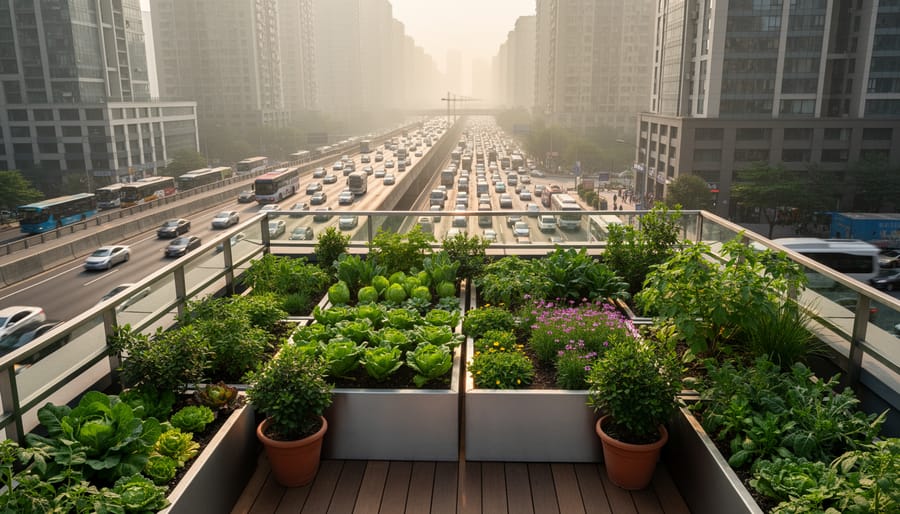
Particulate matter represents the most visible form of urban air pollution affecting rooftop gardens, those fine dust particles that settle on leaves and create a grimy film you can literally wipe off with your finger. PM2.5 refers to particles smaller than 2.5 micrometers (about 1/30th the width of a human hair), while PM10 includes slightly larger particles up to 10 micrometers. Both sizes originate from vehicle exhaust, construction dust, industrial emissions, and even restaurant kitchens in dense urban areas.
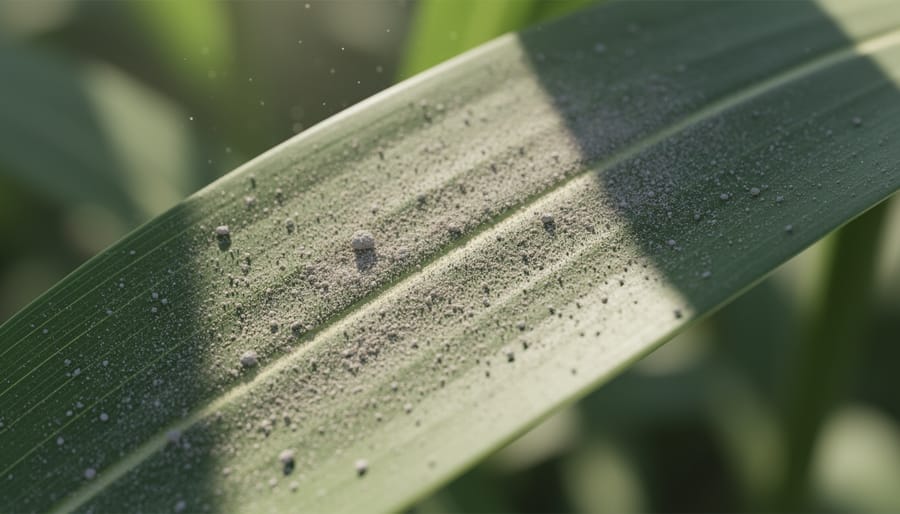
These particles don’t just make plants look dirty. When PM settles on leaf surfaces, it forms a physical barrier that blocks sunlight and clogs stomata, the tiny pores plants use for gas exchange. This coating reduces photosynthesis rates by 20-30% in heavily polluted areas, essentially starving plants of the light energy they need. Worse, PM carries absorbed chemicals like heavy metals and petroleum residues, which can transfer into plant tissues over time.
Rooftop gardens face particular challenges because wind patterns often concentrate particulate matter at building edges and corners. Regular leaf washing becomes essential maintenance, though it’s a stopgap rather than a solution. The real defence involves soil health protection through mulching to prevent particle resuspension and selecting plants with waxy or hairy leaves that naturally shed dust accumulation.
Nitrogen Oxides and Ground-Level Ozone
Nitrogen oxides (NOx) emerge primarily from vehicle exhausts and industrial combustion, making them particularly concentrated along busy streets and near highways. When sunlight triggers chemical reactions with these emissions, the result is ground-level ozone, a powerful oxidant that directly attacks plant cells. Unlike beneficial ozone in the upper atmosphere, this low-level variant infiltrates leaf tissues through stomata, causing visible stippling, bronzing, and accelerated aging in sensitive species.
The damage mechanism differs from particulate pollution. Ozone disrupts photosynthesis by destroying chlorophyll and damaging cell membranes, while nitrogen dioxide can burn leaf margins and create necrotic spots. Studies examining urban garden vegetables have documented measurable yield reductions in crops exposed to elevated NOx levels, with leafy greens showing particular vulnerability.
Rooftop gardens positioned above street level sometimes experience lower NOx concentrations than ground installations, but ozone formation peaks during sunny afternoons, exactly when rooftop temperatures and light intensity are highest. This creates a double stress scenario where heat-stressed plants face maximum ozone exposure simultaneously, making afternoon shade strategies and ozone-tolerant plant selection especially valuable for exposed urban growing spaces.
Heavy Metals and Persistent Pollutants
Heavy metals like lead, cadmium, mercury, and arsenic settle from the air onto plant surfaces and growing media, where they persist for years. Unlike nitrogen oxides that break down relatively quickly, these metals accumulate in soil and plant tissues over time, creating long-term contamination risks that urban gardeners can’t easily reverse.
Lead remains the most common concern in cities. It originates from legacy paint dust, industrial emissions, and residual exhaust from the leaded gasoline era. While airborne concentrations have dropped since the 1980s, decades of deposition mean urban soils often contain elevated lead levels. Leafy greens absorb less lead through roots than root vegetables do, but all crops can accumulate surface contamination when metal particles settle on leaves.
Cadmium enters urban air through tire wear, industrial processes, and some fertilizers. It concentrates in plant roots and leaves, particularly in lettuce, spinach, and other quick-growing greens. Long-term exposure to cadmium through food poses kidney and bone health risks even at low doses.
Mercury and arsenic appear less frequently but still matter near incinerators, coal plants, or former industrial sites. These metals bioaccumulate, they build up faster than plants can eliminate them, meaning repeated small exposures create significant contamination over a growing season.
The insidious nature of heavy metal pollution lies in its invisibility. Your plants may look healthy while accumulating metals that make them unsafe to eat, which is why testing your growing medium matters more than visual inspection alone.
Where Urban Gardeners Encounter These Pollutants
Your rooftop garden doesn’t exist in isolation, it’s embedded in an urban airshed where pollution levels shift dramatically based on location, elevation, and surrounding infrastructure. Understanding where pollutants concentrate helps you anticipate challenges and design protection into your growing system from the start.
Street-level community gardens face the highest pollutant loads. Gardens within 500 feet of major roadways absorb nitrogen oxides and particulate matter directly from vehicle exhaust, with concentrations spiking during rush hours. Ground-level plots in industrial districts encounter sulfur compounds and heavy metal deposition from nearby manufacturing. Our architecture team has measured PM2.5 levels three times higher at street gardens compared to rooftop installations just 50 feet above, demonstrating how vertical distance creates meaningful separation from emission sources.
Rooftop elevation offers advantages, but height alone doesn’t guarantee clean air. Mid-rise rooftops (three to six stories) often sit within the urban mixing layer where pollutants circulate before dispersing. High-rise installations above ten stories generally experience better air quality, though they’re exposed to different challenges, stronger winds can carry industrial emissions from miles away, and certain pollutants like ozone actually increase with altitude as sunlight drives photochemical reactions.
Specific conditions that elevate risk include:
- Gardens downwind from highways, bus depots, or delivery truck routes
- Installations near construction sites generating heavy dust loads
- Rooftops adjacent to building exhaust vents or HVAC systems
- Growing spaces in urban canyons where tall buildings trap pollutants at street level
- Sites within one kilometer of industrial zones, power plants, or waste facilities
Microclimates matter more than many urban agriculture examples acknowledge. A rooftop shielded by taller buildings may trap stagnant air and accumulate pollutants, while an exposed terrace benefits from constant air exchange. Corner locations typically have better ventilation than interior courtyards. Our green sciences professionals recommend mapping your site’s exposure: note prevailing wind direction, identify upwind emission sources, and observe where dust accumulates after dry periods. This assessment reveals your garden’s actual pollution risk, which often differs from general neighborhood air quality data.
Visible Signs and Symptoms in Urban Plants
Your rooftop garden plants will tell you when air pollution becomes a problem, but the signs aren’t always obvious. Learning to read these symptoms helps you catch damage early and adjust your growing strategy before losing an entire season’s harvest.
Leaf surface changes appear first. Look for small white, tan, or bronze flecks on upper leaf surfaces, especially on sensitive crops like lettuce, spinach, and tomatoes. These stippled patterns differ from pest damage because they lack the distinct holes or chew marks insects leave behind. Ozone creates this characteristic bronzing, while sulfur dioxide produces bleached, papery spots between leaf veins. Run your finger across affected leaves, pollution damage feels rough and may flake slightly, whereas disease usually creates soft, mushy spots.
Premature yellowing between the veins while the veins themselves stay green signals pollutant stress rather than simple nitrogen deficiency. Nitrogen shortage yellows the entire leaf uniformly, starting with older foliage at the bottom of the plant. Pollution-induced chlorosis hits younger leaves too and creates that distinctive interveinal pattern. Check multiple plants; if only one or two show symptoms, suspect disease or localized root problems instead.
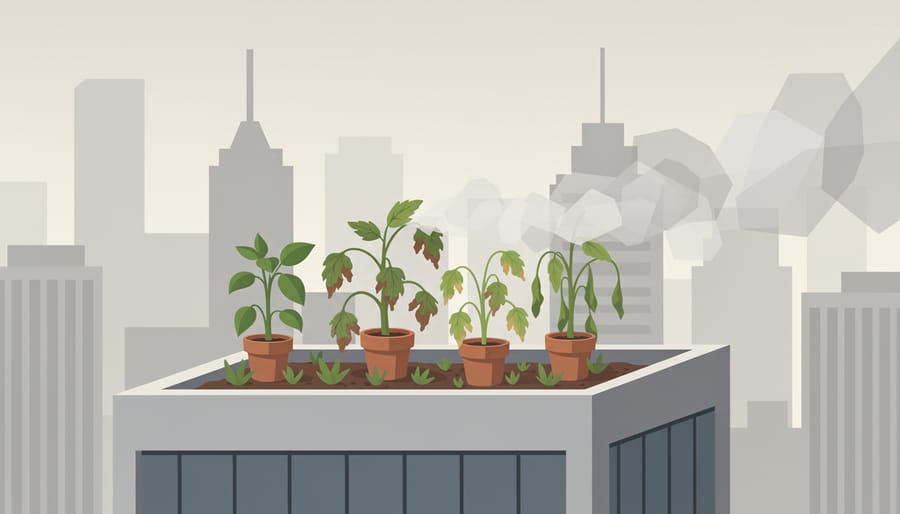
Leaf edges curling upward or developing crispy brown margins indicate exposure to nitrogen oxides or acidic compounds. This differs from drought stress, which typically causes downward curling and affects the whole leaf more uniformly. Touch the damaged edges, pollution makes them brittle and papery, while water-stressed leaves feel limp before they crisp up completely.
Growth suppression manifests as shorter internodes (the stem space between leaves) and smaller overall plant size compared to what you’d expect for that variety at that age. Our green sciences team recommends comparing the same varieties grown in different parts of your roof or at different heights. Plants closest to street level or near exhaust vents often lag noticeably behind those in cleaner microclimates.
Premature leaf drop on otherwise healthy-looking plants suggests chronic pollutant exposure. The plant sheds leaves to reduce the surface area absorbing contaminants, a survival mechanism that reduces your harvest. Combined with integrated pest management strategies to avoid chemical buildup this understanding helps you create healthier growing conditions.
Document what you observe with photos taken weekly from the same angle. These records help you spot gradual changes and evaluate whether adjustments like adding wind barriers or switching to hardier varieties improve plant health. The permaculture resilience approach emphasizes working with stress-tolerant species that naturally cope better with urban air quality challenges.
Protecting Your Agritecture Projects from Air Pollutants
Protecting your rooftop garden from urban air pollutants doesn’t require abandoning your project or investing in expensive filtration systems. Our team’s experience across dozens of city installations has shown that strategic choices at every stage, from plant selection to routine maintenance, can substantially reduce pollutant impact while keeping your garden productive and beautiful.
Start with growing media designed for urban conditions. Choose substrates with high organic matter content and good cation exchange capacity, which naturally bind and immobilize heavy metals before they reach plant roots. Adding biochar or activated carbon to your soil mix creates additional filtering capacity. For rooftop gardens, this means selecting specialized urban agriculture blends rather than standard potting soil, the investment pays off in cleaner produce and healthier plants.
Plant selection matters more than most gardeners realize. Certain species naturally tolerate or even filter pollutants better than others. Leafy greens like kale and Swiss chard show remarkable resilience to particulate matter, while fruiting crops like tomatoes and peppers concentrate fewer contaminants in their edible parts compared to root vegetables. Our green sciences professionals recommend prioritizing above-ground crops in high-pollution areas and positioning sensitive plants in the most protected zones of your rooftop layout.
Physical barriers work surprisingly well when thoughtfully designed. Hedgerows of pollution-tolerant shrubs along the windward edge of your garden capture particulates before they reach vegetable beds. Even simple mesh screens or strategically placed trellises reduce direct pollutant exposure without blocking essential sunlight. The key is understanding your rooftop’s microclimate and predominant wind patterns, barriers should filter, not create stagnant air pockets.
Regular maintenance protocols keep pollutant buildup under control:
- Gently rinse leaf surfaces weekly during growing season to remove particulate deposits
- Replace top two inches of growing media annually in high-traffic urban locations
- Monitor plants for early damage symptoms and remove affected foliage promptly
- Schedule deep cleanings of structural elements where pollutants accumulate
- Test soil for heavy metal content every two years in industrial neighborhoods
- Install simple rain collection with first-flush diverters to avoid contaminated runoff
These practices become routine quickly and take less time than you’d expect, our architecture team builds maintenance accessibility into every rooftop design specifically to make protective care manageable.
Monitoring doesn’t have to be complex. Visual inspections catch most problems early. Look for uneven growth patterns, unusual leaf discoloration on upwind versus downwind plants, or excessive dust accumulation on surfaces. If you’re growing food commercially or in particularly polluted areas, periodic tissue testing of leafy crops provides baseline data. Many urban agriculture extension programs offer affordable testing services.
Timing your planting strategically helps too. In cities with seasonal pollution patterns, winter heating emissions or summer ozone spikes, adjust your growing calendar so sensitive crops mature during cleaner periods. This might mean favoring cool-season greens in spring rather than late fall, or protecting young seedlings during high-traffic summer months.
The reality is that no urban garden operates in pristine conditions, and that’s fine. The goal isn’t perfection but informed management that keeps pollutant levels well below thresholds that affect plant health or food safety. With these strategies layered together, you create resilient agritecture systems that thrive despite challenging air quality.
How Urban Air Pollutants Works
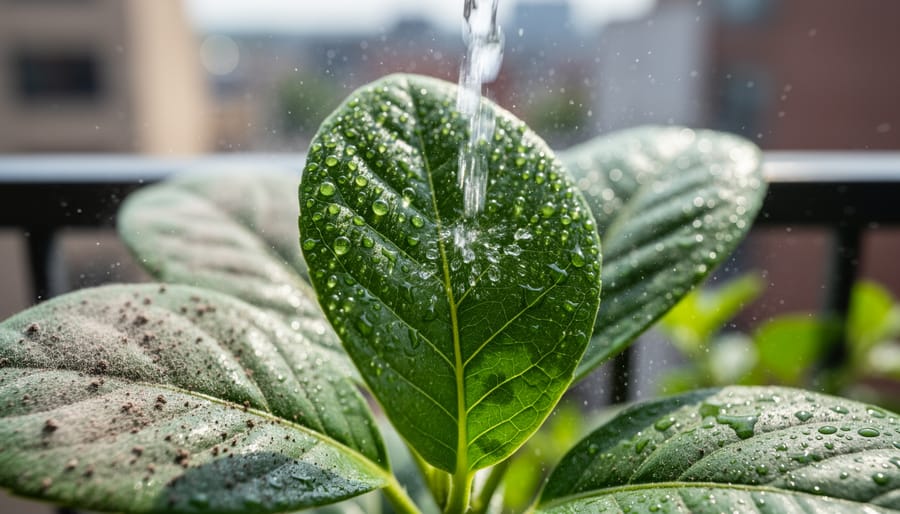
The process begins when pollutants enter the urban atmosphere from tailpipes, industrial stacks, and construction dust. Wind patterns and building configurations trap these compounds at street level, creating pollution pockets that intensify near ground surfaces and lower rooftops.
Plants breathe through tiny pores called stomata, which open during daylight to absorb carbon dioxide for photosynthesis. When polluted air surrounds leaves, these same pores pull in harmful gases alongside the CO2 they need. Ozone and nitrogen dioxide slip through stomatal openings and attack the internal leaf cells, disrupting the chloroplasts that convert sunlight into energy.
Meanwhile, particulate matter settles onto leaf surfaces like a grimy film. This coating blocks light penetration and clogs stomata, reducing both photosynthesis efficiency and the plant’s ability to regulate water loss. Heavy metals within these particles can penetrate the waxy leaf cuticle over time.
Below ground, pollutants that settle onto soil surfaces gradually migrate into the root zone through irrigation and rainfall. Roots absorb these contaminants along with water and nutrients, transporting them throughout the plant’s vascular system and ultimately into fruits and leaves you might harvest.
Frequently Asked Questions
Urban gardeners face legitimate concerns about air quality’s impact on their growing spaces. These answers cut through the uncertainty with practical guidance based on what our green sciences and architecture teams observe in real-world agritecture projects.
Do rooftop gardens have better air quality than street-level gardens?
Generally yes, especially above the fourth floor where you’re above much of the street-level traffic emissions and particulate matter. However, rooftops near industrial stacks or airports may face different pollutant profiles, so height alone doesn’t guarantee cleaner air.
Is it safe to eat vegetables grown in areas with heavy air pollution?
Most leafy greens and fruiting vegetables remain safe if you wash them thoroughly, since many pollutants sit on surfaces rather than penetrating deep into plant tissues. Root vegetables in contaminated soil pose higher risk, so container gardens with clean growing media offer better safety margins in polluted areas.
How often should I test my urban garden for contaminants?
Test soil or growing media once before planting and every 2-3 years afterward if you’re near heavy traffic or industrial zones. For edible crops in high-exposure locations, annual testing provides peace of mind without excessive cost.
Which plants handle urban air pollution better than others?
Plants with waxy or hairy leaves like cabbage, lavender, and many succulents resist pollutant damage better than thin-leaved varieties. Native plants adapted to your region’s conditions also tend to tolerate local pollution profiles more effectively than exotic species.
Can plants actually clean polluted urban air?
Plants do filter some pollutants through their leaves and root systems, but don’t expect your rooftop garden to solve citywide air quality problems. The real benefit comes from creating a healthier microclimate in your immediate growing space while producing food sustainably.
Should I avoid gardening altogether in highly polluted cities?
Not at all. With smart plant selection, protective strategies, and proper washing of harvested produce, you can maintain productive gardens even in challenging air quality conditions. The key is working with urban realities rather than abandoning the benefits of local food production.
The recurring theme across these questions reflects a core agritecture principle: understanding the challenges lets you design around them rather than giving up. Pollution exists in cities, but informed choices about what you grow, where you place containers, and how you maintain your garden make the difference between frustration and success. Our team’s architecture professionals regularly design rooftop installations that account for local pollution sources, positioning growing beds to minimize exposure while maximizing other benefits like sunlight and rainwater capture.
One practical point worth emphasizing is that pollution concerns shouldn’t overshadow the documented benefits of urban agriculture. Homegrown produce still offers nutritional advantages, reduces food transportation emissions, and connects city dwellers to their food sources. The professionals we work with consistently find that simple precautions deliver safe, productive harvests even in dense urban cores where air quality monitoring shows elevated pollutant levels.
Understanding urban air pollutants transforms you from a passive gardener into an informed designer of resilient growing spaces. You now know what you’re working with, the particulate matter settling on your kale, the nitrogen oxides stressing your tomatoes, the heavy metals accumulating in your soil. This knowledge changes everything about how you approach rooftop agriculture in 2026.
The agritecture mindset means accepting the urban environment as it is, then designing systems that thrive within those realities. Your city won’t suddenly have pristine mountain air, but your garden can still flourish. Strategic plant placement away from major exhaust sources makes a difference. Choosing pollution-tolerant varieties gives you an edge. Installing simple barriers and maintaining clean leaf surfaces creates measurable improvements. These aren’t compromises, they’re smart adaptations that acknowledge the challenge while refusing to be defeated by it.
Every rooftop garden that succeeds despite air quality challenges proves the value of sustainable urban food systems. You’re not just growing vegetables; you’re demonstrating that cities can feed themselves even when conditions aren’t perfect. Our architecture and green sciences professionals have seen countless projects turn polluted rooftops into productive gardens through nothing more than informed decision-making and persistent care.
The plants growing in your containers right now are tougher than you might think. With regular monitoring, thoughtful variety selection, and the protective strategies you’ve learned, they’ll continue converting sunlight and urban air into fresh food. Air pollution creates obstacles, not impossibilities. Your awareness of these pollutants, what they are, how they work, and how to mitigate their effects, gives you the tools to build gardens that don’t just survive in the city, but genuinely thrive there.
