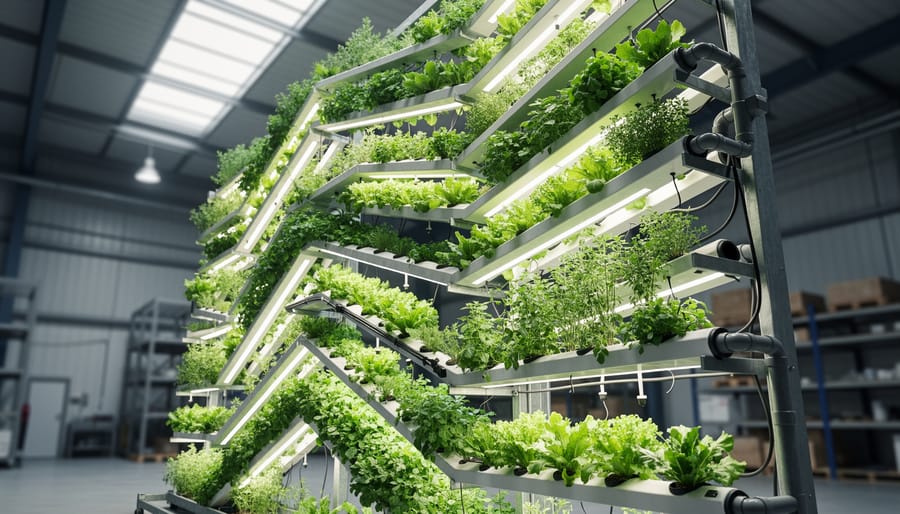
Z farming is a vertical urban agriculture method that grows crops along multiple stacked layers shaped in a zigzag (Z-pattern) configuration, maximizing production in constrained city spaces while reducing water use by up to 90% compared to traditional farming. This approach combines hydroponic or aeroponic systems with strategic tiering, allowing entrepreneurs and community groups to transform underutilized urban lots, parking structures, or warehouse interiors into productive food hubs that can yield 10 to 20 times more per square foot than conventional horizontal plots.
The concept emerged from the practical challenges facing urban food producers: skyrocketing land costs, limited horizontal space, and the need to compete economically with industrial agriculture. By stacking growing platforms in a Z-configuration rather than straight vertical towers, farmers gain better light distribution, easier maintenance access, and improved airflow between plant rows. The zigzag design also creates microclimates that can support different crop varieties within the same structure, from leafy greens on upper tiers to herbs and strawberries below.
What makes Z farming particularly attractive for aspiring urban agriculture entrepreneurs is its scalability. You can start with a single 10-foot module in a backyard or community garden, then expand as you prove the model and secure additional funding or partnerships. The urban agriculture benefits extend beyond food production, creating green jobs, reducing food miles, and reconnecting city residents with where their meals originate.
Getting started requires understanding local zoning regulations, selecting appropriate crops for your climate and market, and either building or purchasing modular Z-frame systems. The barriers to entry are lower than many assume, and the following sections will walk you through eligibility requirements, launch steps, legal considerations, and where to find expert guidance for your specific urban context.
What Z Farming Is and Why It Matters for Urban Entrepreneurs
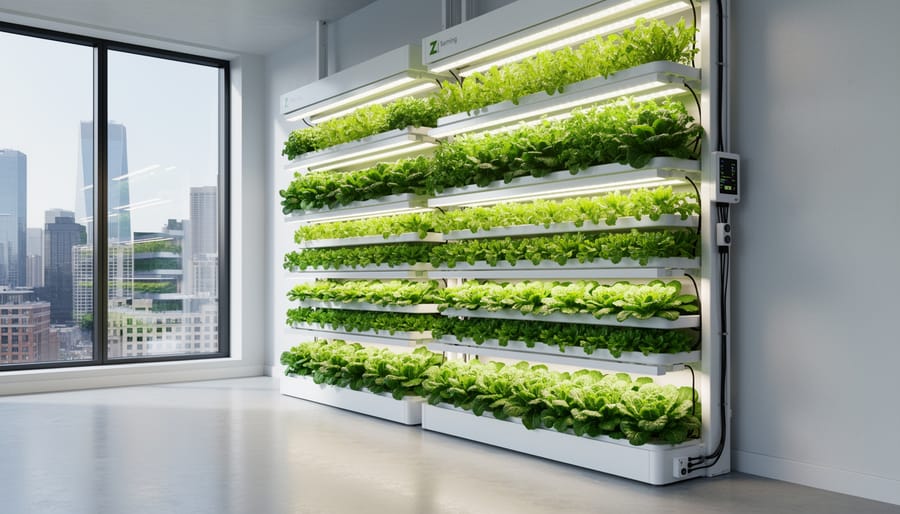
Z farming takes its name from the Z-axis, the vertical dimension of space. Unlike traditional ground-level plots or rooftop gardens that spread horizontally, Z farming builds upward using stacked growing beds, hydroponic towers, aeroponic columns, or wall-mounted systems that transform unused vertical surfaces into productive farmland. Think of it as agriculture reimagined for three-dimensional space. Where conventional urban farms are limited by the square footage they can access, Z farming multiplies that footprint by adding layer upon layer. A 200-square-foot indoor space can support growing areas equivalent to 1,000 square feet or more when you stack systems five or six levels high.
The distinction matters. Rooftop farming uses horizontal space at an elevated location but still faces the same area constraints as ground-level plots. Z farming breaks free from that limitation entirely. Instead of spreading outward, it stacks upward. This vertical approach also differs from standard container gardening or window boxes by incorporating controlled environment agriculture, where growers can regulate light, temperature, humidity, and nutrients with precision. Many Z farming operations rely on soilless systems like hydroponics or aeroponics, delivering nutrients through water rather than traditional earth, which cuts weight and increases control over growing conditions.
Three core principles drive Z farming’s effectiveness. First, vertical space optimization treats height as an asset, not dead air. Second, controlled environment agriculture lets growers produce crops regardless of outdoor weather or season. Third, integration with urban architecture means these systems fit into existing buildings, warehouses, basements, or even repurposed shipping containers, turning underutilized structures into revenue-generating farms.
For entrepreneurs eyeing dense cities where land prices run thousands per square foot, Z farming changes the economics. Leasing a small warehouse or basement costs a fraction of securing acres of farmland, yet vertical stacking can deliver comparable yields. Year-round production means consistent cash flow instead of seasonal income, and climate control reduces crop loss from weather events. Scalability becomes manageable, too. You can start with a few towers, prove the model, then add more layers or modules without relocating. This flexibility makes Z farming one of the most compelling urban agriculture examples for entrepreneurs seeking viable city farming models that generate profit in limited space. For those willing to invest in the setup and learning curve, Z farming offers a pathway to building a sustainable food business where traditional farming simply won’t fit.
Who Can Start a Z Farming Operation: Eligibility and Requirements
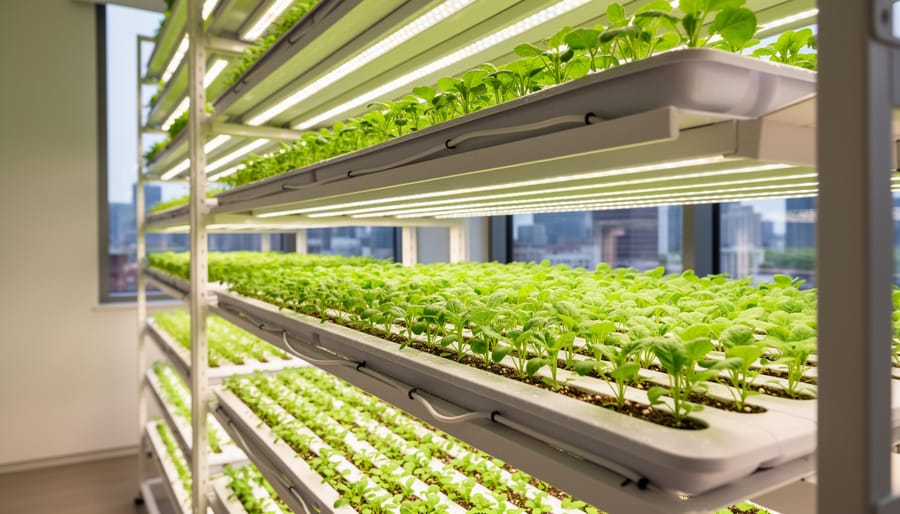
Z farming doesn’t require a traditional agricultural background or acres of land, but it does demand specific resources and compliance with urban regulations. Anyone from individual entrepreneurs to community organizations can pursue this venture if they meet the practical and legal requirements.
The most critical starting point is access to suitable vertical space. Indoor warehouses, underutilized commercial buildings, rooftops with adequate load capacity, or even large exterior walls can serve as your growing area. You’ll need a minimum of about 200 square feet to run a viable micro-operation, though most commercial ventures start at 1,000 square feet or larger. The space must support the weight of growing systems, water, plants, and equipment, a structural engineer should evaluate load capacity before installation, especially for rooftop projects where additional weight can strain building foundations.
Regulatory compliance varies by city, but expect to navigate zoning ordinances and permitting processes. Most urban areas require special use permits or conditional use approvals for agricultural operations in commercial or residential zones. You’ll likely need building permits for any structural modifications, electrical permits for lighting and climate control systems, and plumbing permits if you’re installing irrigation infrastructure. Some cities classify Z farming under urban agriculture ordinances that streamline approval, while others treat it as a commercial food production facility requiring more extensive review.
- Access to 200+ square feet of vertical space with verified structural load capacity
- Zoning approval and relevant permits for agricultural use in your location
- Reliable water supply and adequate electrical infrastructure (110-240V depending on system scale)
- Startup capital ranging from $5,000 for small hobby setups to $100,000+ for commercial operations
- Basic knowledge of hydroponics, plant nutrition, and controlled environment agriculture
- Food safety certification if selling produce commercially
- Insurance coverage for liability and property damage
Water and electricity access is non-negotiable. Hydroponic and aeroponic systems require consistent water supply, expect to use 90% less water than traditional farming, but you still need reliable plumbing or water delivery systems. Electrical requirements depend on your scale and whether you’re growing indoors. LED grow lights, climate control, and automated nutrient delivery systems can draw significant power, so verify your electrical capacity before committing to equipment.
Capital requirements span a wide range. A small apartment wall garden might cost $2,000 to $5,000 to establish, while a commercial warehouse operation typically requires $50,000 to $150,000 for infrastructure, systems, and initial operating costs. Factor in ongoing expenses for electricity, nutrients, seeds, and maintenance, most operations don’t break even for 12 to 18 months.
Technical knowledge matters more than formal credentials. You need understanding of plant growth cycles, nutrient management, pH balancing, and pest control in vertical systems. Many successful Z farming entrepreneurs start by taking workshops through urban agriculture programs or agritecture firms, then build skills through hands-on experience. Community groups often pool expertise, combining members who understand plants with those who handle business operations or structural requirements.
Food safety certification becomes mandatory if you’re selling produce commercially. Most jurisdictions require Good Agricultural Practices training and periodic facility inspections. Home-scale operations for personal use face fewer regulations, but commercial ventures must meet the same food safety standards as traditional farms.
How to Launch Your Z Farming Project: Step-by-Step Process
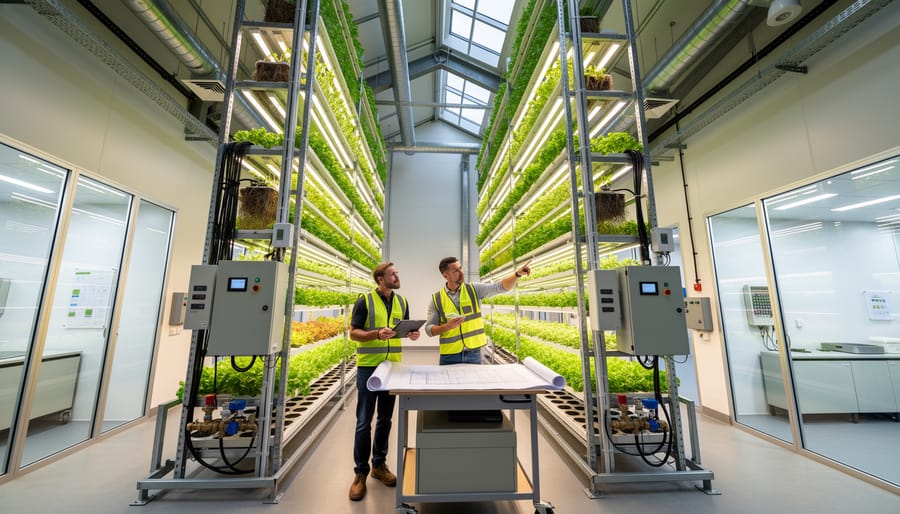
Launching a Z farming venture requires careful planning and a team-based approach that brings together expertise from multiple fields. Start by assessing your available vertical space, whether it’s an interior wall, unused warehouse space, or a building facade. Measure ceiling height, available square footage, and access points for equipment installation. Document current conditions, including natural light availability, temperature fluctuations, and how air pollutants impact your location if you’re considering outdoor vertical systems.
Next, engage structural engineers and architects to conduct a thorough load-bearing analysis. Vertical farming systems, especially when loaded with water, growing media, and mature plants, can add significant weight to walls or floors. Your architect can determine whether reinforcement is needed and design mounting systems that integrate safely with your building’s structure. This collaboration isn’t optional, it protects your investment and ensures occupant safety.
With structural approval in hand, select your growing system based on your crops, budget, and available expertise. Hydroponic towers work well for leafy greens and herbs, offering high density in a small footprint. Vertical racks with stacked trays suit modular expansion and allow you to adjust configurations as you learn. Living walls can integrate edible and ornamental plants, creating visual appeal alongside production. Evaluate each system’s water efficiency, maintenance requirements, and automation potential.
Simultaneously, begin the permit process. Contact your city’s planning department to understand zoning restrictions, building permit requirements, and health department regulations for commercial food production. Some municipalities have streamlined urban agriculture permits, while others require case-by-case review. Submit detailed plans showing your system layout, water connections, and waste management approach. This phase often takes longer than expected, so start early.
Choose crops that thrive in vertical systems and match your market demand. Microgreens, lettuce varieties, spinach, kale, and herbs like basil deliver quick harvests and high value per square foot. Strawberries and cherry tomatoes work in larger vertical systems. Avoid crops with extensive root systems or those requiring significant horizontal space. Test a few varieties before committing to full production.
Install your irrigation system with precision, incorporating timers and sensors that prevent overwatering while ensuring consistent moisture. LED grow lights should provide full-spectrum coverage matched to your crop’s light requirements, typically sixteen to eighteen hours daily for leafy greens. Work with green science specialists to calibrate your nutrient delivery system, whether you’re using liquid hydroponic solutions or specialized substrates. Monitor pH levels and electrical conductivity regularly to maintain optimal growing conditions.
Launch with a pilot phase. Start with a portion of your vertical space to refine techniques, troubleshoot issues, and build confidence before scaling up. Track growth rates, harvest yields, and resource consumption. This iterative approach, combining architectural design, horticultural science, and business strategy, positions your Z farming operation for sustainable success.
Your Rights, Responsibilities, and Business Considerations
Starting a Z farming business means understanding both your obligations and the protections available to you as an urban agricultural entrepreneur. Getting these fundamentals right from day one prevents costly mistakes and positions your operation for sustainable growth.
Your first responsibility involves securing proper property rights. If you own the building, you have clear authority to modify vertical surfaces for farming, but you still need structural approval from a licensed engineer before adding weight loads. Leasing space is more complex. Your lease agreement must explicitly permit agricultural use and structural modifications. Many landlords require liability clauses protecting them from crop-related damage or water leaks. Negotiate these terms before investing in equipment, and get everything in writing with specific language about vertical farming systems.
Insurance becomes critical when you’re stacking growing systems above ground level. Standard business liability coverage rarely addresses urban agriculture risks. You need specialized policies covering crop loss, structural failure, water damage to lower floors, and product liability if you sell produce. Expect to pay $1,200 to $3,000 annually depending on your system size and location. Some insurers require professional installation certificates for hydroponic systems and regular structural inspections.
Food safety compliance varies by city, but most jurisdictions require health department permits if you sell produce commercially. You must follow Good Agricultural Practices (GAP), maintain harvest logs, and allow inspections. Water usage often requires separate metering for agricultural operations, with many cities imposing reporting requirements when you exceed residential consumption thresholds. Your nutrient runoff and wastewater need proper disposal systems that meet local environmental codes.
| Your Responsibilities | Your Rights and Protections |
|---|---|
| Building permits and structural approvals | Access to agricultural business grants and USDA programs |
| Health department food safety certification | Property tax reductions under urban agriculture ordinances |
| Specialized liability insurance coverage | Right-to-farm protections in designated zones |
| Water usage reporting and compliance | Exemption from certain commercial zoning restrictions |
| Waste management and runoff control | Legal standing as agricultural business for financing |
Many cities now recognize urban farming as legitimate agriculture, which unlocks significant advantages. You may qualify for agricultural tax status, reducing property assessments by 20 to 40 percent in participating jurisdictions. Federal and state grant programs increasingly include vertical farming, with some offering up to $25,000 for sustainable urban agriculture startups. Check your local economic development office for tax increment financing or enterprise zone benefits.
Neighbor notification requirements depend on your system’s noise and light output. Most cities require written notice to adjacent properties before installing grow lights visible from outside or ventilation systems operating at night. Proactive communication prevents complaints. Hold an open house showing your setup, explain your water safeguards, and offer occasional produce samples. Turning neighbors into supporters creates goodwill that pays off when you need future approvals or expansions.
Where to Get Help and Resources for Z Farming Success
Launching a Z farming operation demands expertise across multiple disciplines, and connecting with the right resources can accelerate your path from concept to profitable production. Start with agritecture consultancies and design firms that specialize in vertical farming integration. Roof Top Gardens offers consultations that bridge the gap between agricultural vision and architectural feasibility, helping you assess structural capacity, design efficient growing systems, and navigate the unique challenges of vertical urban farming. Their workshops provide hands-on training in everything from hydroponic tower setup to integrating living walls with existing building systems, while their strategic guidance ensures your Z farming project aligns with both business goals and urban regulations.
For targeted learning, seek out urban agriculture extension programs through land-grant universities and agricultural departments. These programs often provide free or low-cost technical assistance, crop selection guidance, and pest management strategies adapted specifically for vertical systems. Many cities now host Z farming demonstration sites where you can observe working operations and learn directly from established growers.
Key resources for Z farming entrepreneurs:
- Agritecture design firms and urban farming consultants for system planning and structural integration
- University extension programs offering technical training and crop management support
- USDA urban agriculture grants and local economic development financing programs
- Professional networks connecting architects, engineers, and agricultural scientists
- Specialized equipment suppliers for hydroponic systems, vertical towers, and controlled environment technology
- City planning departments and health agencies for zoning approvals and food safety permits
Professional networks prove invaluable for connecting the architectural expertise needed for structural modifications with the green science knowledge required for plant health and production optimization. Join local urban farming associations where architects collaborate with horticulturists, sharing lessons learned and troubleshooting challenges specific to vertical growing environments. Equipment suppliers specializing in vertical systems can provide not just hardware but also technical support for installation and ongoing maintenance, helping you avoid costly mistakes during setup.
How to Apply or Complete the Process
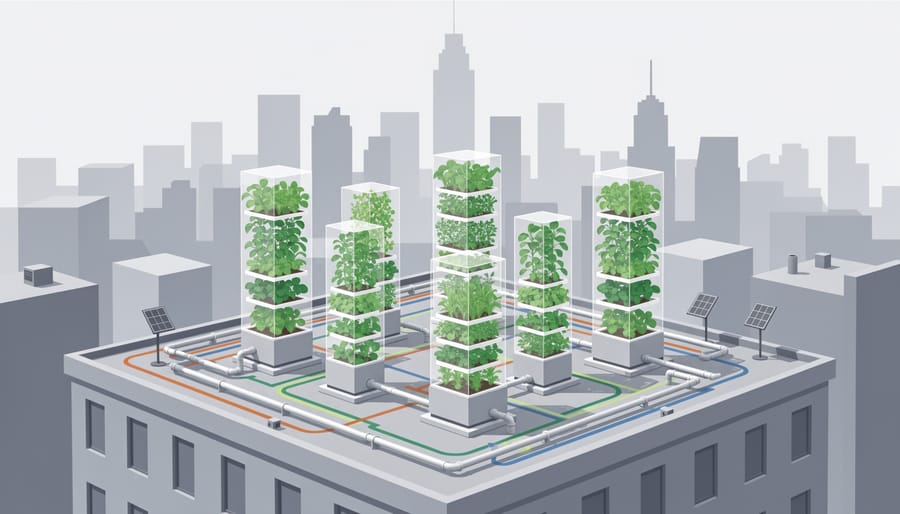
Starting a Z farming operation doesn’t follow a single universal application, the process varies by city and building type. However, most urban entrepreneurs follow a similar compliance pathway.
Begin with your local zoning department. Request a pre-application meeting to confirm whether your intended vertical farming activity is permitted in your zone. Bring your site plans and a brief description of your operation. This step prevents wasting time on non-compliant locations.
Next, secure building permits if you’re installing structural elements like vertical racks or modifying rooftops. Submit stamped engineering drawings showing load calculations and structural integrity. Many jurisdictions require a licensed architect or structural engineer to sign off on vertical installations.
For commercial operations selling produce, register your business with your state’s agriculture department. You’ll typically need a food production facility license, which involves a health department inspection of your growing space, harvesting procedures, and sanitation protocols.
If you’re modifying plumbing or electrical systems for irrigation and grow lights, obtain the relevant mechanical and electrical permits before work begins. These require licensed contractors in most cities.
Finally, check whether your municipality offers agricultural business certifications or urban farming designations that provide tax benefits or regulatory relief. Apply for these after your core permits are approved, they’re optional but can reduce operational costs significantly.
What to Watch For
Before launching your Z farming venture, pay close attention to structural load capacity, vertical growing systems, especially when filled with water, growing medium, and mature plants, can add significant weight to walls, roofs, or floors. Many aspiring urban farmers underestimate this factor and discover mid-project that their chosen space requires costly reinforcement. Always work with a structural engineer early in your planning process, not after you’ve already invested in equipment.
Another critical watchpoint is water management. Vertical systems can experience rapid runoff and drainage issues that horizontal gardens don’t face. A single failed drip emitter or clogged drain line in an upper tier can cascade problems downward, potentially damaging your crops, equipment, and even the building structure itself. Design redundancy into your irrigation system from day one, and establish a daily monitoring routine during your first growing cycle to catch issues before they multiply.
Finally, watch your energy costs closely in the startup phase. LED grow lights and climate control systems can consume more electricity than many new Z farmers anticipate, especially in fully enclosed vertical operations. Track your utility expenses weekly during your first quarter to ensure your business model remains viable.
Common Questions About Starting a Z Farming Business
Starting a Z farming business raises many practical questions. Here are direct answers to help you evaluate this opportunity and plan your next steps.
How much does it cost to start a Z farming operation?
Initial costs typically range from $15,000 to $100,000 depending on scale and system complexity. A small indoor tower system might start around $15,000-$25,000, while a commercial rooftop operation with advanced hydroponic infrastructure can reach $75,000-$100,000 or more, including structural modifications, growing systems, lighting, climate control, and initial inventory.
What crops work best in vertical systems?
Leafy greens (lettuce, kale, spinach, arugula), herbs (basil, cilantro, mint), and microgreens thrive in vertical setups. These crops have shallow roots, quick growth cycles (20-45 days), and high market value. Strawberries and certain compact vegetables like cherry tomatoes also perform well in tower systems.
How long until profitability?
Most Z farming operations break even within 18-36 months. Leafy greens and herbs can generate revenue within 6-8 weeks of planting, but covering startup costs takes longer. Success depends on production efficiency, market access, crop selection, and whether you’re selling direct-to-consumer or wholesale.
Do I need special certifications?
You’ll need food safety certifications if selling commercially (such as Good Agricultural Practices certification), business licenses, and potentially organic certification if marketing as organic. Most cities also require permits for commercial food production, and some jurisdictions mandate water quality testing for hydroponic systems.
Can you operate Z farming in a rented building? Yes, but you’ll need written permission from the property owner and a lease agreement that accommodates structural modifications and water access. Many landlords are open to it, especially if the system enhances building value or supports sustainability goals. Ensure your lease clearly addresses installation, maintenance responsibilities, and removal requirements if you relocate.
What are the biggest challenges? Managing climate control costs, preventing disease in high-density growing environments, maintaining consistent nutrient balance, and building reliable sales channels top the list. You’ll also need to protect crops from pollution in urban settings and stay current with evolving health regulations.
How does Z farming compare to traditional urban methods? Z farming produces 10-20 times more per square foot than ground-level gardens and allows year-round production regardless of weather. However, it requires higher upfront investment and ongoing energy costs for lighting and climate control. Traditional rooftop gardens need less infrastructure but offer lower yields and are season-dependent. Z farming suits entrepreneurs focused on consistent commercial production, while ground-level methods work better for community engagement and lower-budget projects.
Z farming represents more than an innovative growing technique, it’s a practical business opportunity that reimagines how cities produce food. By converting walls, unused rooftops, and vertical surfaces into productive agricultural space, you’re not just starting a business. You’re participating in a movement that addresses food security, reduces environmental impact, and creates economic value from spaces that would otherwise sit empty.
The barriers to entry are lower than many traditional farming operations, especially when you consider the reduced land costs and year-round production potential. You don’t need rural acreage or decades of conventional farming experience. What you need is initiative, willingness to learn, and the right professional guidance to navigate the technical and regulatory requirements.
Start small. Attend a workshop focused on vertical farming systems. Schedule a consultation with an agritecture firm to assess your building’s structural capacity. Join an urban agriculture network to connect with others who’ve already launched successful operations. Even a preliminary assessment of available vertical space in your building can reveal surprising possibilities.
The integration of architecture, green sciences, and entrepreneurial vision is creating urban farms that were unimaginable a decade ago. Your Z farming project could supply fresh produce to your neighborhood, reduce food transportation emissions, and prove that cities can grow their own food sustainably. The vertical space is there. The technology works. The market is ready. What’s left is your decision to begin.
