
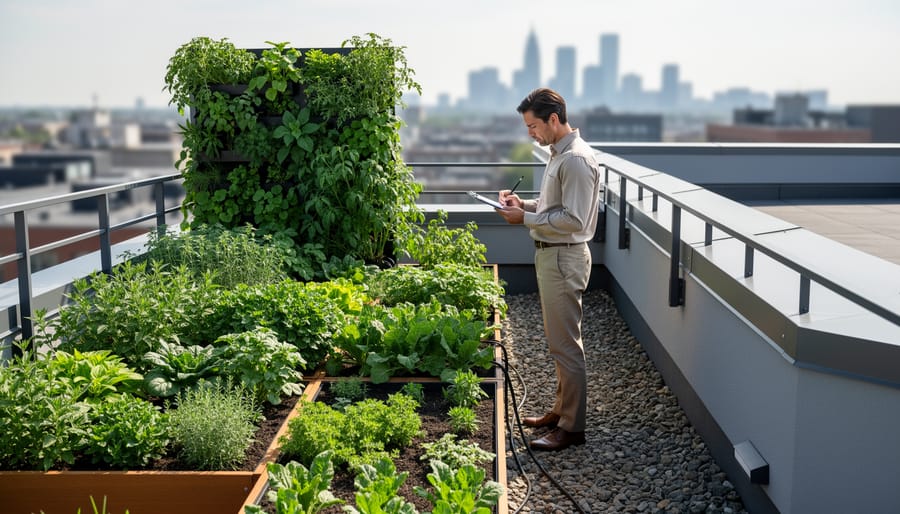
Science consultants are specialists who turn scientific knowledge into practical decisions, and Green Science Consultancy applies that skill to one question: how do you grow food and green space in a city so it actually works? The team pairs plant and soil science with architecture and digital media, so an idea for a rooftop farm, a vertical garden, or a community growing space becomes something you can plan, build, and explain to others. That’s agritecture in practice: farming and building design working as one system rather than two separate projects.
If you’re a city planner weighing a green roof policy, a family eager to grow food on a small balcony, or a developer who wants living greenery in a new project, a consultant helps you skip the guesswork. Light, water, structure, climate, and local rules all shape what will thrive, and every city block differs.
Below, you’ll find what the service is, what the consultants do day to day, who benefits most, and how to get started.
What Green Science Consultancy Is and Why Cities Need Science Consultants
The Agritecture Idea in Plain Language
Agritecture is simply the blend of agriculture and urban architecture. It treats food growing as part of a building or neighbourhood from the start, instead of something squeezed in later. Where architecture and agriculture meet, a roof becomes a garden bed, a blank wall becomes a living surface, and a shared courtyard becomes a small farm.
You can already spot the idea around most cities. Rooftop beds turn unused space into herb and vegetable plots. Vertical growing walls put leafy greens up on a facade where floor space is scarce. Shared courtyard gardens bring neighbours together around the same tomato plants. Browsing a few urban agriculture examples shows how varied these projects can be.
What ties them together is that each one respects the building’s limits, such as weight, sun, and wind, while using plant science to make the growing work.
The Team Behind the Advice
Behind every Green Science Consultancy project is a small, collaborative team rather than a single expert working alone. Architecture, green science, and digital media professionals each bring a different lens, and the best results come when those lenses overlap.
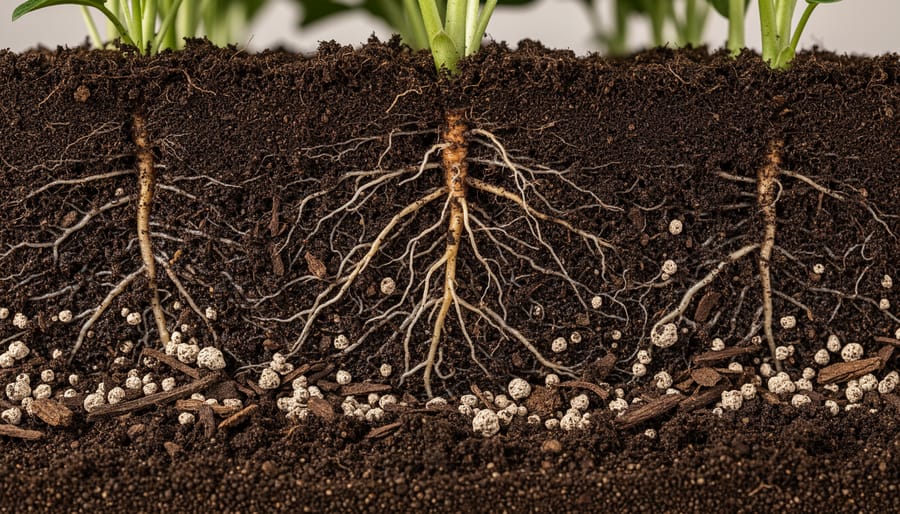
The architects look at the building itself: how much weight a roof can carry, where sunlight and wind fall, and how a growing space fits the way people actually use the site. The green scientists focus on what lives there, choosing plants, soil mixes, and irrigation approaches that suit those conditions. Their work grows out of traditional gardening knowledge, adding evidence to what experienced growers already know.
The digital media team keeps the project understandable and lasting. They turn technical plans into clear visuals, guides, and workshop materials, so residents and building teams can care for the garden long after installation. From first sketch to seasonal upkeep, each discipline hands the project to the next.
What the Consultants Do: Strategies, Workshops, and Consultations
Adapting Solutions to Different Urban Conditions
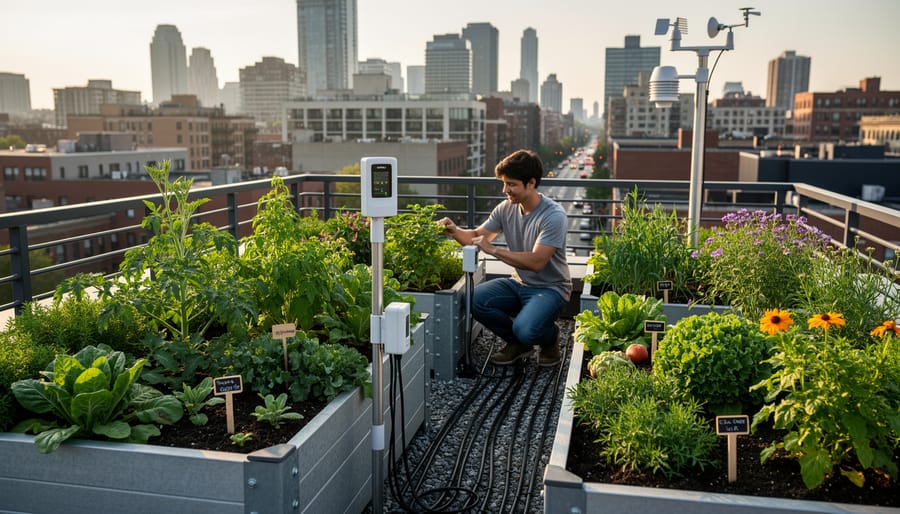
A rooftop, a balcony, a courtyard, and a shaded indoor corner each ask for different answers, so a good consultant starts by reading the site before recommending a single plant. Science turns that reading into decisions about what to grow, what to grow it in, and how to water it.
Here are the site factors a science consultant typically evaluates:
- Light: how many hours of direct sun the space actually gets across the seasons.
- Wind: exposure that dries soil quickly and stresses tall or delicate plants.
- Load capacity: how much weight the structure can safely carry once soil is wet.
- Drainage: where excess water goes and whether it can leave without causing damage.
- Water access: the practicality of irrigation, from taps to rainwater collection.
- Microclimate: pockets of heat, shade, or shelter created by nearby buildings.
- Local climate: the temperature range and rainfall patterns that shape the growing season.
Those answers steer the practical choices. A windy, sun-baked rooftop might call for lightweight soil mixes, drought-tolerant plants, and drip irrigation, while a shaded courtyard suits leafy greens and herbs that tolerate lower light. Balconies often benefit from compact containers and vertical growing, and indoor spaces may need grow lights and careful moisture control. Even the air matters, since urban air pollutants can influence which crops make sense and how you care for them.
Who Green Science Consultancy Is For: Households, Planners, and Design Teams
Green Science Consultancy is built for anyone who wants growing space to work in a real city, not just look good in a sketch. That covers a wide range of people, and the scale can be as small as one sunny balcony or as big as a building-wide plan.
- Eco-conscious families and urban dwellers: turning a narrow balcony or shared courtyard into a productive herb and vegetable garden.
- City planners: shaping food-system and sustainability strategies that put underused rooftops and plazas to work.
- Architects and green design enthusiasts: building soil depth, drainage, and plant choices into a design from the earliest drawings.
Households usually gain confidence. Instead of guessing which plants will survive wind or shade, they get a clear plan matched to their space, their schedule, and their budget of effort. Traditional gardening know-how still matters here, and the science simply helps it travel to tricky urban conditions.
Planners tend to gain evidence they can act on. A well-grounded approach to Z farming, for example, helps a municipality see how vertical and compact growing methods could fit into dense neighbourhoods and support local food security.
Design teams gain a head start. Bringing plant science and water management into the conversation early means fewer surprises later, whether that’s a load limit, a drainage issue, or a planting scheme that needs more light than the site offers.
Project size is flexible. One resident might want a single consultation for a balcony, while a developer might need guidance across an entire building. Either way, the goal is the same: practical, sustainable growing that fits the people who will use it every day.
How to Engage with Green Science Consultancy
Getting started with Green Science Consultancy is simpler than most people expect. There are three main doors in, and you can pick whichever matches where you are right now.
| Service | What it involves | What you walk away with |
|---|---|---|
| Consultation | A conversation about your space, goals, and constraints, either one-to-one or with your wider team | Clear, science-backed direction on what will grow well and why |
| Workshop | Hands-on learning in small groups, covering soil, water, and plant choices | Practical skills you can use straight away in your own space |
| Urban gardening strategy | A fuller plan shaped around your site conditions and long-term care | A working plan you can build from, whether for a balcony or a whole building |
Here’s a simple path from first contact to a working plan. Reach out through the Roof Top Gardens website and tell the team what you’re hoping to create. They’ll talk through your situation, then recommend the right starting point, which might be a quick consultation, a workshop, or a broader planning partnership. From there, the advice gets turned into a practical plan you can act on, with room to check in as the project grows.
A little preparation makes that first conversation far more productive. Before you get in touch, gather:
– Photos of the space from a few angles, ideally at different times of day
– Rough dimensions, even if they’re just a tape-measure estimate
– Your goals, such as growing herbs, feeding a family, or creating a shared green courtyard
– Any building constraints, like weight limits, access rules, or water availability
Don’t worry if you can’t answer everything. Part of the consultants’ job is helping you work out what you don’t know yet.
For current contact options and the latest on what’s on offer, head to the Roof Top Gardens website. It’s the best place to find up-to-date details, so you’re always working from accurate information rather than guesswork.
Common Questions About Working with Science Consultants
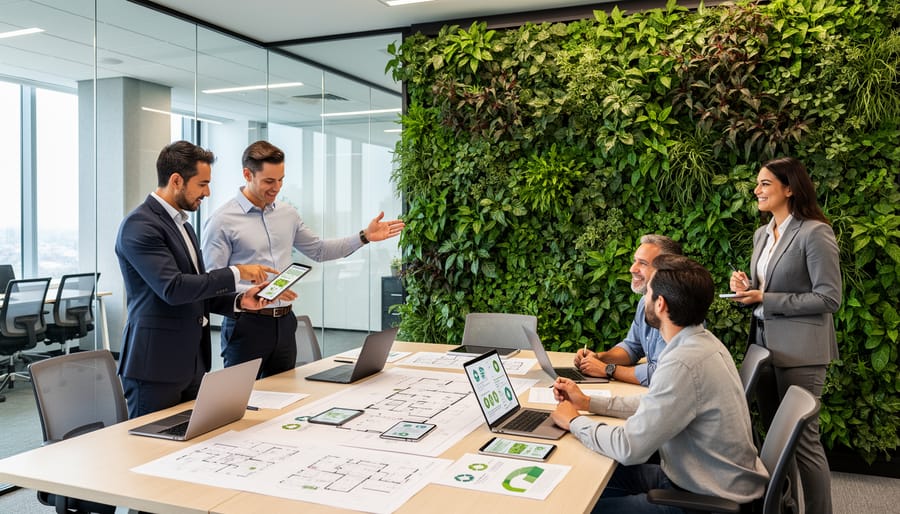
Working with a science consultant feels less intimidating once you know what to expect. Here are the questions people ask most, answered plainly.
Do I need a science background to work with the team?
Not at all. The consultants translate plant biology, soil, and water know-how into everyday language, so you only need curiosity and a clear idea of what you’d like to grow.
Is a small balcony really worth a consultation?
Yes. Small spaces often benefit most, because smart choices about sunlight, container size, and soil mix decide whether a handful of pots thrives or struggles.
How do consultants treat traditional gardening methods?
They treat them as a trusted foundation. Time-tested habits like composting and companion planting stay in the plan, and science helps fine-tune them for city conditions such as wind, shade, and weight limits.
How do sustainability and food security shape the advice?
Recommendations lean toward water-wise irrigation, healthy soil, and food-producing plants where they make sense, so your space gives something back to your household and community.
What happens after the first consultation?
You leave with a practical plan fitted to your space and goals. From there you can start on your own, join a workshop, or bring the team in for deeper design support.
If your question isn’t covered here, that’s a good sign it’s worth raising in a conversation. Every urban space is a little different, and the best advice starts with the details of yours.
Cities don’t need to choose between growing space and living space. With the right science behind a project, a rooftop can feed a household, a courtyard can become a shared garden, and a building can carry a working layer of green from day one. That’s the role Green Science Consultancy plays: turning ideas that are merely feasible into results that last.
The people who benefit are as varied as the cities themselves. Families with a sunny balcony, planners shaping local food systems, and architects designing growing space into new buildings all start in the same place. They begin with a clear goal and a willingness to learn how plants, soil, water, and structure work together.
Your first step is simple. Take a few photos of your space, note its rough dimensions, and jot down what you hope to grow or achieve. Then reach out through the Roof Top Gardens website and start the conversation.
Every well-planned garden, big or small, moves a city closer to being greener, more resilient, and better able to feed its own.
