
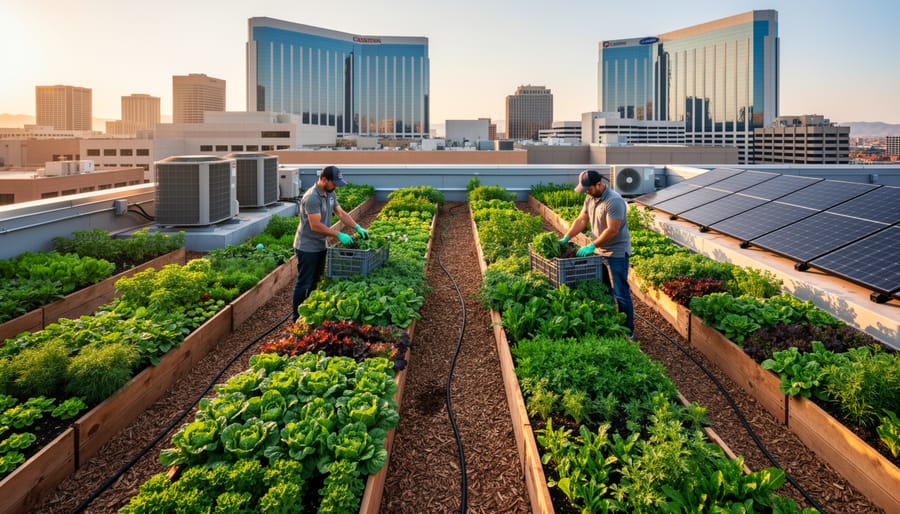
Look up from the slot machines and poker tables at select forward-thinking casinos, and you’ll discover something unexpected: thriving rooftop gardens producing fresh herbs, vegetables, and greens. These elevated green spaces represent a fascinating convergence of hospitality, sustainability, and urban agriculture that’s transforming how entertainment venues operate. Just as players might access a bet558casino login to explore gaming options, casino operators are now exploring innovative agricultural ventures atop their properties.
Casinos worldwide are converting unused rooftop real estate into productive gardens, supplying their restaurants with hyperlocal ingredients while reducing environmental impact. The MGM Resorts properties in Las Vegas cultivate thousands of pounds of produce annually, while Singapore’s Marina Bay Sands operates an expansive rooftop farm feeding multiple dining establishments. This isn’t just greenwashing—it’s a practical response to rising food costs, guest demands for transparency, and corporate sustainability goals.
These projects offer valuable lessons for anyone interested in urban agriculture. Casino rooftop gardens must overcome unique challenges: structural load calculations, extreme microclimates, high winds, and integration with existing HVAC systems. Yet they succeed by combining professional team collaboration between engineers, horticulturists, and architects with thoughtful agritecture design principles.
The benefits extend beyond farm-to-table bragging rights. These gardens reduce building cooling costs, manage stormwater runoff, create staff engagement opportunities, and provide educational experiences for guests curious about where their food originates. They prove that even in the most unexpected urban environments, productive green spaces can flourish with proper planning and commitment.
Whether you’re a city planner, sustainability advocate, or simply curious about innovative urban agriculture, casino rooftop gardens demonstrate how commercial properties can embrace environmental stewardship while maintaining profitability.
The Surprising Match: Casinos and Green Roofs
Space and Structure That Make Sense
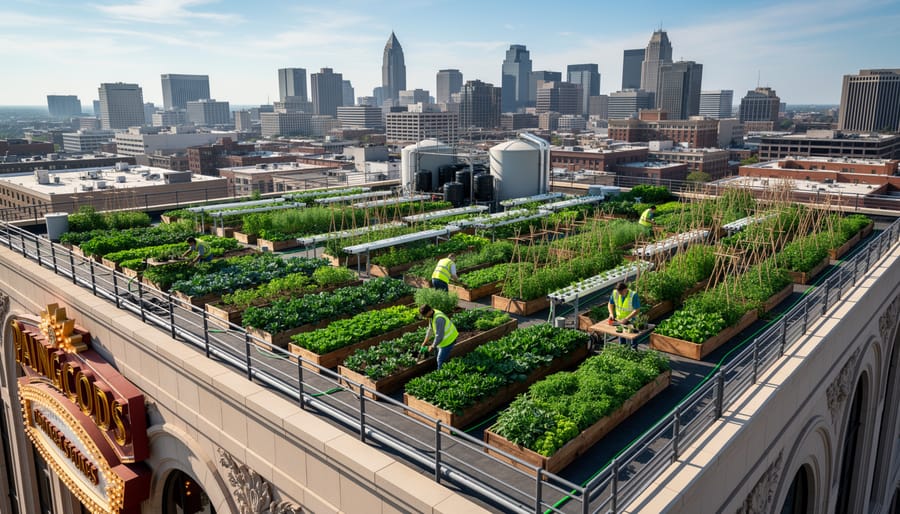
Casinos possess unique architectural advantages that make them surprisingly ideal candidates for rooftop gardens. Most casino buildings feature massive, flat rooftops that can span several acres, providing an enormous canvas for agricultural projects. Unlike typical urban buildings with fragmented or sloped roofs, these expansive surfaces allow for comprehensive garden layouts that can accommodate diverse crops, walking paths, and integrated growing systems.
The structural engineering of casinos offers another crucial benefit. These buildings are designed to support heavy loads, from multiple floors of gaming equipment to crowds of visitors. This inherent structural capacity means the rooftops can typically handle the substantial weight of soil, water, plants, and infrastructure without requiring extensive reinforcement. Engineers estimate that properly designed rooftop gardens add between 15 to 50 pounds per square foot, well within the load-bearing capabilities of most casino structures.
Perhaps most advantageous is the existing climate control infrastructure. Casinos already maintain sophisticated heating, ventilation, and air conditioning systems that operate continuously. These systems can be strategically integrated with rooftop gardens to extend growing seasons, regulate greenhouse temperatures, and even capture waste heat for warming soil during colder months. This synergy between existing casino operations and green infrastructure creates efficiency opportunities that standalone agricultural projects simply cannot match.
The Business Case Behind the Green
While rooftop gardens might seem like an unlikely casino investment, the financial incentives tell a compelling story. These green spaces deliver measurable returns that extend well beyond aesthetics.
Guest experience ranks as the primary driver. Casinos operate in an increasingly competitive market where unique amenities differentiate properties. Rooftop gardens create Instagram-worthy moments and provide guests with tranquil retreat spaces—a refreshing contrast to the high-energy casino floor. These engaging urban garden experiences can increase guest satisfaction scores and encourage longer stays.
The farm-to-table connection presents another revenue opportunity. Casino restaurants sourcing herbs, microgreens, and vegetables from rooftop gardens reduce transportation costs while commanding premium pricing for hyper-local dishes. Chefs appreciate the convenience of harvesting ingredients steps away from their kitchens, and diners value the transparency of knowing exactly where their food originates.
Corporate sustainability commitments increasingly influence these decisions too. Many casino operators have pledged carbon neutrality targets, and rooftop gardens contribute toward those goals through stormwater management, building insulation, and air quality improvement. These environmental benefits generate positive press coverage and appeal to eco-conscious guests who consider sustainability when choosing travel destinations.
The combination of enhanced guest appeal, operational cost savings, and environmental credentials makes rooftop gardens a strategic business investment rather than simply a green initiative.
Real Examples: Casinos Already Growing on Top
Farm-to-Table at the Gaming Table
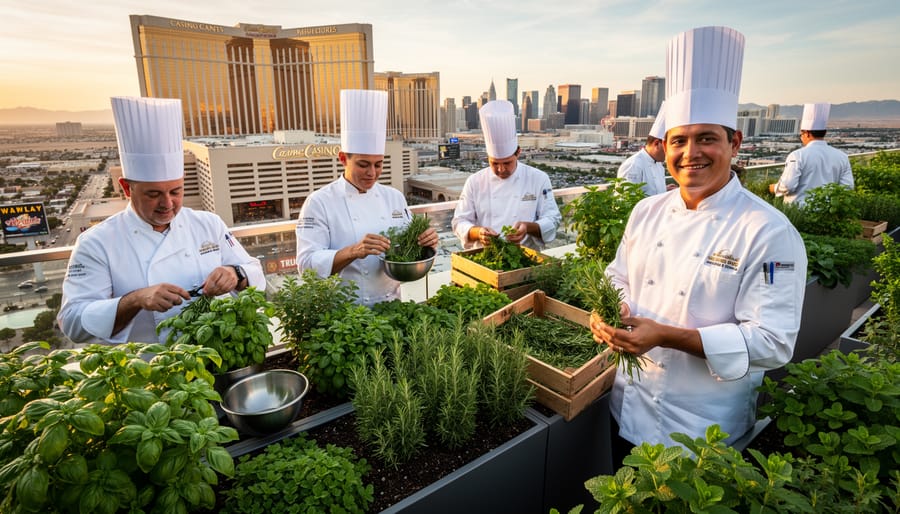
The journey from rooftop to plate happens remarkably fast at casinos embracing urban agriculture. Chefs now pick fresh basil for tonight’s pasta, snip microgreens for garnishes, and harvest tomatoes for salads just hours—sometimes minutes—before serving. This ultra-short supply chain creates a freshness factor you can actually taste, and guests notice the difference.
Casino restaurants are incorporating rooftop harvests into their menus in creative ways. High-end steakhouses feature house-grown herbs in compound butters and marinades. Casual dining spots showcase seasonal vegetables in daily specials. Even cocktail bars are getting involved, using freshly picked mint, rosemary, and edible flowers to elevate their drink presentations. One casino mixologist described the experience of creating cocktails with ingredients harvested that same afternoon as “transforming the bar into a true farm-to-glass experience.”
The guest experience extends beyond just taste. Many casinos now offer transparent kitchen programs where diners can see chefs working with rooftop-grown ingredients, creating a compelling story that connects the building’s sustainability efforts to the plate. Some properties even provide rooftop garden tours, allowing visitors to see where their meal components originated. This tangible connection between food source and final dish resonates particularly well with eco-conscious diners who appreciate knowing their meal’s journey.
Professional collaboration between rooftop garden teams and culinary staff proves essential. Regular communication ensures chefs know what’s available for harvest and gardeners understand what the kitchen needs most, creating a symbiotic relationship that benefits both operations and diners alike.
Beyond Food: Pollinator Gardens and Green Spaces
Casino rooftop gardens extend far beyond restaurant ingredients, creating meaningful ecological spaces that enhance both environmental health and guest experiences. Many properties are dedicating portions of their rooftops to pollinator gardens, planting native wildflowers, herbs, and shrubs that support declining bee, butterfly, and hummingbird populations. These gardens serve as vital urban oases where pollinators can rest, feed, and thrive amid the concrete landscape.
The visual appeal of these spaces shouldn’t be underestimated either. Thoughtfully designed ornamental gardens with seasonal blooms, native grasses, and decorative plantings create inviting outdoor areas where guests can take breaks from gaming floors. Some casinos have transformed rooftop sections into meditation gardens or walking paths, offering quiet retreats that complement the high-energy atmosphere inside. These wellness spaces recognize that modern visitors increasingly value holistic experiences that balance entertainment with relaxation.
What makes casino rooftop gardens particularly effective is their scale and maintenance capabilities. With dedicated facilities teams already on staff, casinos can maintain these green spaces year-round, ensuring they remain healthy and attractive. The collaboration between horticulturists, landscape architects, and facilities managers creates professionally managed habitats that amateur urban gardeners might struggle to replicate at home.
By incorporating diverse plantings that serve multiple purposes—from supporting urban biodiversity to providing peaceful gathering spaces—casino rooftop gardens demonstrate how commercial properties can become environmental stewards while enhancing their brand identity and guest satisfaction simultaneously.
The Agritecture Approach: What Makes Casino Rooftop Gardens Work
Weight, Water, and Wind: The Engineering Essentials
Creating a thriving garden above a bustling casino floor requires careful engineering planning, but the fundamentals are straightforward when broken down into manageable components.
First, structural load is paramount. Rooftop gardens add significant weight through soil, plants, water, containers, and equipment. A structural engineer must assess whether the existing roof can handle this load, which typically ranges from 15 to 150 pounds per square foot depending on the growing system. Many casinos opt for lightweight growing mediums and modular systems to distribute weight evenly across load-bearing points.
Water management presents a dual challenge. Irrigation systems need to deliver moisture efficiently while preventing overwatering that could damage the building. Drip irrigation and automated systems work exceptionally well on rooftops, conserving water while ensuring plants receive consistent hydration. Advanced water filtration systems can recycle greywater, making these gardens even more sustainable. Equally important is drainage—excess water must flow away quickly through properly sloped surfaces and drainage layers to protect the roof membrane.
Wind poses unique challenges at elevation. Rooftop microclimates often feature stronger winds, more intense sun exposure, and temperature fluctuations compared to ground level. Windbreaks like trellises, strategic plant placement, and protective barriers help create sheltered growing zones. Professional teams typically conduct wind studies to understand patterns and design accordingly.
Professional collaboration between architects, engineers, horticulturists, and building managers ensures these systems work harmoniously. This integrated approach transforms complex technical requirements into flourishing green spaces that benefit both the casino operation and the surrounding urban environment.
Bringing Different Experts to the Table
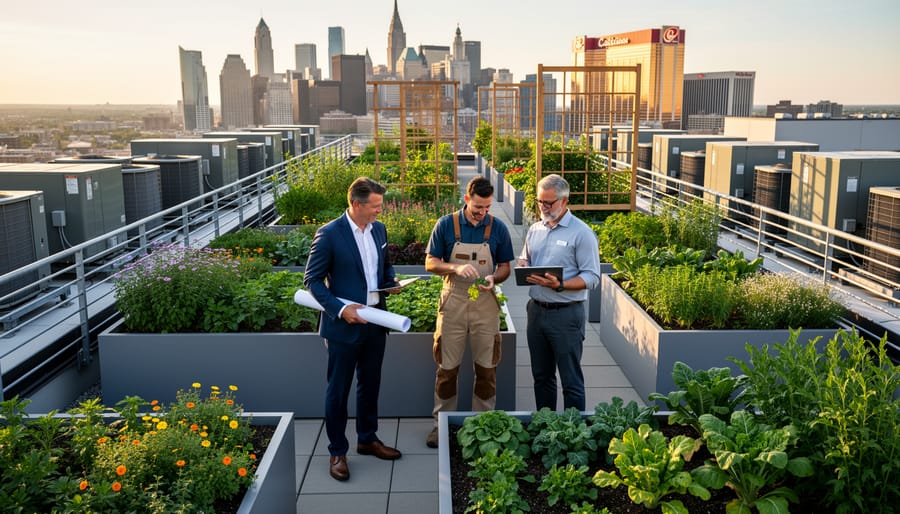
Creating a thriving rooftop garden above a bustling casino floor isn’t a one-person job. These projects succeed when diverse professionals bring their unique expertise together, forming what’s essentially a dream team for sustainable architecture.
Architects play the foundational role by understanding structural loads and ensuring the building can safely support soil, water, plants, and the people who’ll tend them. A mature garden might add 35 to 150 pounds per square foot, so miscalculations simply aren’t an option. These professionals also integrate waterproofing systems and drainage solutions that protect the casino below while supporting plant life above.
Horticulturists and agronomists then step in to select plant varieties that can handle the unique rooftop environment. Wind exposure, temperature fluctuations, and shallow growing mediums create challenges that don’t exist at ground level. These experts identify crops and ornamental plants suited to local climate conditions while matching the casino’s goals, whether that’s supplying restaurant kitchens with fresh herbs or creating Instagram-worthy flower displays.
Casino operations teams complete the picture by managing day-to-day maintenance. Some properties hire dedicated garden staff, while others partner with urban farming organizations. Either way, ongoing care schedules must align with the 24/7 nature of casino operations. Irrigation systems need monitoring, harvests require coordination with kitchen staff, and seasonal plantings must happen without disrupting guest experiences.
When these professionals communicate openly and respect each other’s expertise, rooftop gardens transform from ambitious concepts into functioning ecosystems that benefit everyone involved.
Environmental Wins That Go Beyond the Garden Bed
Cooling the City, One Casino at a Time
When you picture Las Vegas or major casino destinations, you might imagine bright lights and desert heat—but casino rooftop gardens are literally cooling things down. These green spaces work as natural air conditioners, combating the urban heat island effect that makes cities significantly warmer than surrounding areas.
Traditional rooftops absorb and radiate heat, turning buildings into solar ovens. Dark surfaces can reach temperatures exceeding 150°F on hot days. Vegetated roofs, however, absorb far less heat through the combined effects of plant shade, soil insulation, and evapotranspiration—the process where plants release water vapor, creating a natural cooling effect.
Studies show that green roofs can reduce surface temperatures by 30-40°F compared to conventional roofs. This cooling doesn’t just benefit the casino building itself; it extends into surrounding neighborhoods. When multiple buildings adopt green roofs, the collective impact on urban temperature becomes measurable. Some cities have recorded ambient temperature reductions of several degrees in areas with concentrated green roof installations.
For casinos located in dense urban centers or heat-prone regions, this cooling capacity delivers multiple benefits of urban gardening. Lower roof temperatures mean reduced air conditioning costs, improved guest comfort on rooftop terraces, and a tangible contribution to making their cities more livable for everyone.
Managing Rainwater Where It Falls
Urban areas face a critical challenge when heavy rains overwhelm aging stormwater systems, leading to flooding and water pollution. Casino rooftop gardens offer an elegant solution by capturing and managing rainwater right where it lands.
These elevated green spaces act like giant sponges, absorbing rainfall that would otherwise rush into already strained municipal drainage systems. The soil, plants, and growing media in a rooftop garden can retain significant amounts of water—typically between 40 to 80 percent of annual rainfall, depending on the system’s depth and design. This retention happens through multiple layers: plants intercept rain on their leaves, soil absorbs moisture, and specialized drainage layers gradually release excess water.
For casino properties in cities with older infrastructure, this benefit translates to reduced pressure on local sewers during storm events. Instead of contributing to flash flooding or combined sewer overflows, the building becomes part of the solution. The retained water eventually evaporates or gets used by plants, while any overflow releases slowly and steadily.
This approach represents smart, decentralized water management. Rather than relying solely on distant treatment facilities and underground pipes, each building takes responsibility for its own footprint. When combined with professional design from agritecture teams who understand local rainfall patterns and drainage requirements, casino rooftop gardens become powerful tools for building climate-resilient cities.
Lessons for Other Urban Buildings and Developments
Casino rooftop gardens offer a compelling blueprint that extends far beyond the gaming industry. If entertainment venues can successfully integrate green roofs into their operations, the same principles apply to virtually any large urban structure. Hotels, hospitals, office buildings, and mixed-use developments all share similar characteristics with casinos: substantial roof space, climate control infrastructure, and maintenance teams already in place.
The casino model proves that rooftop gardens aren’t just feasible but financially viable. These establishments have demonstrated that initial investment costs can be offset through reduced energy bills, improved stormwater management, and enhanced property values. For hospital administrators considering green roofs, this translates to healing gardens that improve patient outcomes while lowering operational costs. Office building managers can create employee wellness spaces that boost productivity and attract talent in competitive markets.
What makes casino rooftop gardens particularly instructive is their scale and complexity. These projects handle high foot traffic, sophisticated irrigation systems, and year-round maintenance schedules. If casinos can manage these challenges while maintaining their primary business operations, other urban buildings certainly can too. The key lies in adapting urban agriculture strategies to each building’s unique context rather than implementing cookie-cutter solutions.
Professional collaboration emerges as a critical success factor. Casinos typically work with agritecture specialists, structural engineers, and horticulturists to design their rooftop gardens. This team-based approach ensures projects meet building codes, support proper weight loads, and select appropriate plant species. Other urban developments can follow this roadmap, starting with feasibility assessments and gradually scaling up based on their specific needs and budgets.
The takeaway is clear: if a casino can transform its rooftop into a productive green space, any urban building can explore similar possibilities. The casino industry has essentially conducted the research and development, providing valuable lessons about what works, what doesn’t, and how to achieve long-term sustainability in vertical growing environments.
The unlikely pairing of casinos and rooftop gardens reveals something profound about urban agriculture’s potential. These entertainment destinations, with their expansive rooftops and substantial resources, demonstrate that sustainability can flourish in the most unexpected places. When casinos invest in green infrastructure, they send a powerful message: large commercial buildings aren’t just consumers of resources—they can be productive contributors to the urban food system.
The success of casino rooftop gardens hinges on what we emphasize throughout agritecture projects: thoughtful design and professional team collaboration. Architects, horticulturists, engineers, and sustainability experts working together transform underutilized spaces into thriving ecosystems that benefit both businesses and communities.
Looking ahead, imagine if every large commercial building followed suit. Hotels, convention centers, shopping complexes, and office towers all possess similar rooftop real estate. These spaces collectively represent millions of square feet of untapped agricultural potential in our cities. As climate challenges intensify and urban populations grow, such innovations become not just impressive—they become essential.
Casino rooftop gardens prove that sustainability and commerce can coexist beautifully. They’re living laboratories showing us how to build more resilient, food-secure cities. The question isn’t whether rooftop agriculture belongs in urban landscapes, but rather: which building will cultivate its potential next?
